
Quick Answer
Yes. A sinus lift, bone graft, and dental implant can often be done under local anesthesia, depending on your bone height, sinus position, general health, anxiety level, and whether the implant can be placed securely on the same day.
Local anesthesia should block sharp pain. However, it does not remove every sensation. You may still feel pressure, vibration, pushing, tapping, water spray, suction, or jaw movement.
If you are anxious, ask your dentist or oral surgeon about a stop signal, short breaks, headphones, nitrous oxide, oral sedation, or IV sedation before the appointment day.
| Question | Short Answer` |
|---|---|
| Can I ask for sedation? | Yes. Ask before the appointment because sedation may need screening. |
| Will I be awake? | Yes, if only local anesthesia is used. |
| Will a sinus lift hurt? | It should not feel sharply painful when the area is fully numb. |
| What will I feel? | Pressure, vibration, pushing, tapping, sound, and movement. |
| Can the implant be placed on the same day? | Sometimes, if enough bone is present to hold the implant securely. |
| Is swelling normal? | Yes. Swelling often peaks around 48 to 72 hours after surgery, then subsides |
| Can I blow my nose after a sinus lift? | Usually no. Follow your surgeon’s sinus precautions. |
What Anxious Patients Should Expect
Medical disclaimer: This article gives general patient education. It does not replace care from your dentist, oral surgeon, periodontist, physician, or licensed healthcare provider.
A sinus lift under local anesthesia can feel manageable when you understand what local anesthesia blocks and what it does not block. Local anesthesia should block sharp pain. It does not block pressure, vibration, sound, or movement.
That difference matters when you feel anxious about a sinus lift, bone graft, and dental implant. Many patients fear being awake during dental implant surgery. The fear often comes from not knowing what sensations are normal.
You may ask:
- Will a sinus lift hurt?
- Will I feel the dental implant drilling?
- Can I panic during treatment?
- Can I ask for sedation?
- Can a sinus lift, bone graft, and implant happen in one visit?
Dental implants are common in the United States. Cleveland Clinic reports that more than 3 million people in the US have dental implants. (Cleveland Clinic)
Quick Facts
| Patient Question | Clear Answer |
| Will I be awake? | Yes, with local anesthesia only. |
| Will a sinus lift hurt? | It should not cause sharp pain when the area is fully numb. |
| What will I feel? | You may feel pressure, vibration, pushing, tapping, or movement. |
| Can the implant be placed the same day? | Sometimes, when enough existing bone can stabilize the implant. |
| Can I ask for sedation? | Yes. Ask before treatment day because sedation may need screening. |
| Is swelling normal? | Yes. Swelling often peaks around 48 to 72 hours after oral surgery. |
| Can I blow my nose after a sinus lift? | Usually no. Follow your surgeon’s sinus precautions. |
Why Do You Need a Sinus Lift Before an Upper Dental Implant?
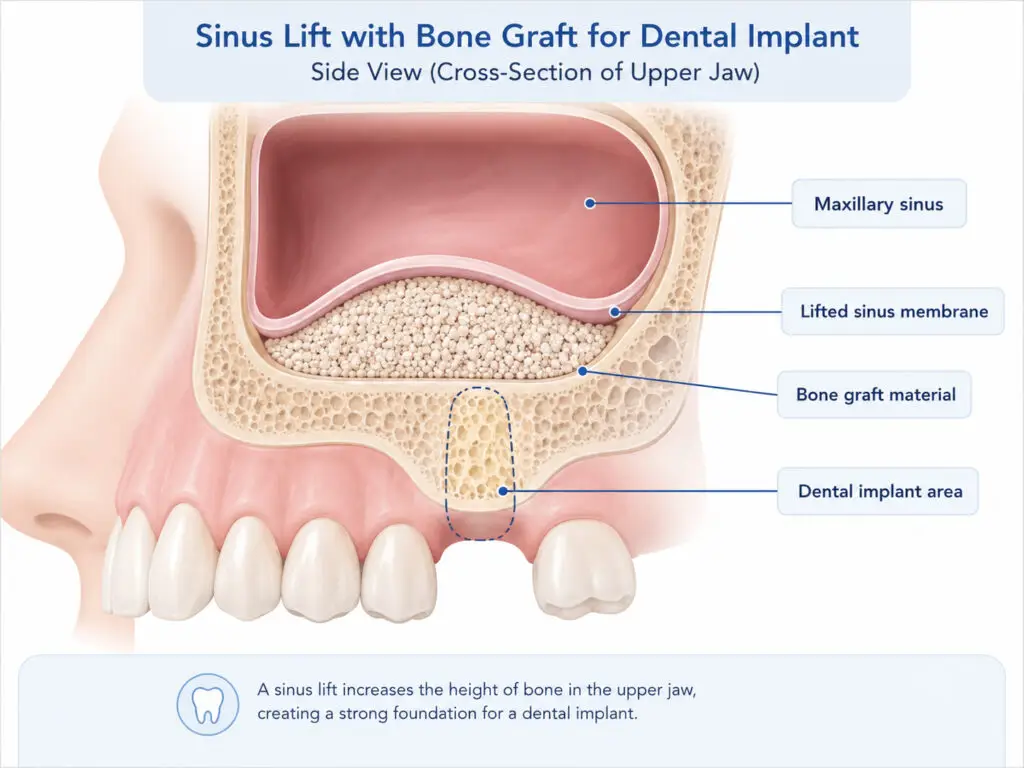
You may need a sinus lift when the upper back jaw lacks enough bone height for a dental implant. The maxillary sinus sits above the upper molars and premolars. Tooth loss can reduce jawbone volume over time.
A dental implant needs stable bone. When the sinus sits too close to the implant site, your dentist or oral surgeon may lift the sinus membrane and place bone graft material underneath it.
Cleveland Clinic explains that a dental bone graft can add jawbone volume, support dental implants, and help manage cases where the maxillary sinus needs lifting. (Cleveland Clinic). You can also read our guide on how long after a bone graft you can get a dental implant?
Simple explanation
Think of the bone graft as a scaffold. The graft material holds space. Your body uses that space to form new bone over time.
What Is a Sinus Lift?
A sinus lift is an oral surgery procedure that adds bone height below the maxillary sinus. The surgeon gently raises the sinus membrane and places bone graft material beneath it.
The goal is clear: the sinus lift creates a stronger foundation for an upper dental implant.
A sinus lift sounds intimidating, but it is a planned technique. Trained dentists, periodontists, and oral surgeons use it when the upper jaw needs more vertical bone support.
Can a Sinus Lift, Bone Graft, and Implant Be Done at the Same Time?
Yes, a sinus lift, bone graft, and implant can sometimes happen during one appointment. The key factor is primary stability, which means the implant can hold firmly in the available bone at placement.
Your provider may separate the procedures when the implant cannot stabilize safely. In that case, the graft heals first. The implant is placed later.
This decision depends on:
- Bone height
- Bone density
- Sinus anatomy
- Implant location
- Medical history
- Smoking or vaping status
- Infection risk
- Surgeon’s clinical judgment
Cleveland Clinic notes that dental implant treatment may require several procedures and months of healing, depending on the patient’s case. (Cleveland Clinic).
What Does Local Anesthesia Do During a Sinus Lift?
Local anesthesia numbs the treatment area. It blocks pain signals from the surgical site, but it does not make you unconscious.
The American Dental Association defines local anesthesia as the elimination of sensation, especially pain, in one part of the body through topical application or injection. The ADA also describes local anesthetics as a foundation of pain control in dentistry. (American Dental Association).
Sinus Lift Under Local Anesthesia: What local anesthesia should block
- Sharp pain
- Cutting pain
- Drilling pain in the numb area
- Gum pain near the treated site
What local anesthesia does not fully block
- Pressure
- Vibration
- Pushing
- Pulling
- Tapping
- Water spray
- Suction sounds
- Drill sounds
- Jaw movement
Patient takeaway: Numb does not mean sensation-free. Numb means pain-controlled.
What Will the Numbing Shots Feel Like?
Numbing shots may feel like a pinch, pressure, or short stinging sensation. Many dentists use topical gel first to numb the gum surface before the injection.
After the injection, your gum, cheek, lip, teeth, or palate may feel heavy, swollen, thick, or asleep. This sensation is expected.
Tell your dental team before treatment begins if injections trigger your anxiety. You can ask them to:
- Apply topical numbing gel first
- Inject slowly
- Pause between injections
- Keep the needle out of your view
- Explain each step briefly
- Use a hand signal for breaks
Small control points reduce anxiety because they make the appointment feel predictable.
Does a Sinus Lift Hurt Under Local Anesthesia?
A sinus lift should not cause sharp pain when local anesthesia works properly. You may feel pressure, vibration, pushing, tapping, or movement. Sharp pain is not a sensation you should silently tolerate.
Use this rule during treatment:
Pressure can be normal. Sharp pain needs attention.
Before the procedure starts, agree on a stop signal. Raising your left hand works well for many patients. Use the signal when you feel sharp pain, panic, nausea, or a need for a pause.
Pain vs Pressure During a Sinus Lift: How to Tell the Difference
Many anxious patients worry because pressure can feel intense even when the area is properly numb. The important difference is this:
| Sensation | Usually Normal? | What To Do |
|---|---|---|
| Pressure | Yes | Breathe slowly and use your stop signal if you need a break. |
| Vibration | Yes | This can happen during implant drilling or bone preparation. |
| Pushing or tapping | Yes | This may feel strange but should not feel sharp. |
| Sharp pain | No | Raise your hand and ask the dentist to stop. |
| Burning or cutting pain | No | Tell your dentist immediately. |
| Panic or nausea | Needs attention | Use your stop signal and ask for a pause. |
A good rule is: pressure can be normal, but sharp pain needs attention. You do not need to stay silent if something feels wrong.
What Does Dental Implant Surgery Feel Like When You Are Awake?
Dental implant surgery under local anesthesia usually feels like pressure, vibration, and controlled movement. You may hear drilling, suction, water spray, or tapping.
These sensations can feel strange because the jaw transmits vibration. They should not feel like sharp pain.
Noise often triggers anxious patients more than pressure. Ask your dental team whether you can wear headphones during safe parts of the procedure. Calming music, white noise, an audiobook, or a podcast can reduce sound awareness.
Sinus Lift Under Local Anesthesia: What Can You Do If You Panic During the Procedure?
Tell the dental team about dental anxiety before the appointment day. Clear communication gives the team time to plan comfort steps.
You can say:
“I have dental anxiety. I need a stop signal, short breaks, and clear warnings before pressure.”
You can also ask:
- Can you pause if I raise my hand?
- Can you warn me before pressure starts?
- Can I wear headphones?
- Can you limit detailed explanations during surgery?
- Do you offer nitrous oxide?
- Do you offer oral sedation?
- Should I see an oral surgeon for IV sedation?
The ADA states that nitrous oxide and oxygen, when used appropriately, can help manage dental anxiety and pain (ADA).
AAOMS states that oral and maxillofacial surgeons receive training in local anesthesia, sedation, and general anesthesia for office-based procedures. (AAOMS).
Can You Ask for Sedation Instead of Local Anesthesia Only?
Yes, you can ask for sedation when dental anxiety feels intense. Sedation options depend on your health, medications, procedure length, provider training, and office safety protocols.
| Sedation Option | What It Usually Means |
| Nitrous oxide | You breathe gas through a mask and stay awake but calmer. |
| Oral sedation | You take a prescribed medication and feel drowsy or relaxed. |
| IV sedation | Medication enters through a vein and creates deeper relaxation. |
| General anesthesia | You are unconscious and monitored under specific safety protocols. |
Do not take sedatives unless your dentist, surgeon, or physician prescribes them. Sedation may require fasting instructions, medication review, and a responsible adult driver.
University of Rochester Medical Center notes that patients who receive anesthetic medications may need a responsible adult to drive them home and should avoid driving, machinery, and important decisions during recovery. (University of Rochester Medicine).
What Is Recovery Like After a Sinus Lift, Bone Graft, and Implant?
Recovery usually includes soreness, swelling, pressure, and temporary activity limits. Most patients manage the first few days with rest, soft foods, cold packs, and medication instructions from their provider.
Common recovery symptoms include:
- Numbness for a few hours
- Mild bleeding or oozing
- Swelling
- Bruising
- Jaw stiffness
- Facial pressure
- Sinus pressure
- Tenderness near the implant site
Cleveland Clinic notes that initial healing after a dental bone graft may take about a week, while complete graft healing can take much longer. (Cleveland Clinic)
University of Rochester Medical Center notes that swelling after dental implants or related oral surgery often reaches its maximum around 48 to 72 hours. (University of Rochester Medicine)

How Bad Is Pain After a Sinus Lift and Bone Graft?
Postoperative pain often feels like soreness, aching, pressure, or tenderness. It should gradually improve after the early healing period.
Your provider may recommend acetaminophen, ibuprofen, another non-opioid medication, or a prescription medication based on your health history.
Do not assume ibuprofen is safe for you. Some patients should avoid NSAIDs because of bleeding risk, stomach ulcers, kidney disease, heart conditions, blood thinners, or other medical issues.
NIDCR, part of the National Institutes of Health, states that over-the-counter non-opioid medications such as acetaminophen and NSAIDs like ibuprofen can be as effective or more effective than opioids for most dental pain, with fewer side effects and lower risk of harm. (NIDCR)
What Should You Eat After a Sinus Lift, Bone Graft, and Implant?
After surgery, many patients start with cool, soft foods. Your provider’s instructions come first because graft type, implant placement, and sinus involvement can change the diet plan.
Common soft-food options include:
- Yogurt
- Applesauce
- Mashed potatoes
- Scrambled eggs
- Soft pasta
- Lukewarm soup
- Smoothies without a straw
- Protein shakes without a straw
University of Rochester Medical Center recommends soft, cool foods after oral surgery and advises avoiding hard or crispy foods such as chips, hard pretzels, and popcorn during the first week. (University of Rochester Medicine).
What Should You Avoid After a Sinus Lift?
After a sinus lift, you should avoid actions that create pressure changes in the sinus. Pressure can disturb the grafted area or surgical site.
Your surgeon may tell you to:
- Avoid blowing your nose
- Sneeze with your mouth open
- Avoid straws
- Avoid smoking and vaping
- Avoid heavy lifting
- Avoid bending over
- Sleep with your head elevated
- Take prescribed medication as directed
University of Rochester Medical Center lists sinus precautions after dental implants or related surgery, including head elevation, no nose blowing, sneezing with the mouth open, avoiding sucking or blowing motions, and taking medications as directed. (University of Rochester Medicine).
Follow your own surgeon’s instructions first. Your case may require stricter precautions.
Sinus Lift Recovery Timeline
Here is an expected timeline of the healing after a sinus lift procedure for a dental implant
| Time After Surgery | What You May Notice |
|---|---|
| First few hours | Numbness, mild bleeding, pressure, and a heavy feeling in the face or jaw. |
| First 24 hours | Soreness, swelling, mild oozing, and the need for soft foods and rest. |
| 48 to 72 hours | Swelling may reach its highest point before slowly improving. |
| First week | Gum tenderness, bruising, and sinus precautions are common. |
| Several weeks to months | The grafted area continues healing and forming stronger bone. |
| Implant timing | Some implants are placed the same day; others are placed after graft healing. |
When Should You Call Your Dentist or Oral Surgeon?
Call your dental office when symptoms feel severe, unusual, or worse over time. Urgent symptoms need prompt attention.
Call your provider if you have:
- Bleeding that does not slow
- Severe pain that worsens
- Swelling that suddenly increases
- Fever
- Pus
- Bad taste that persists
- Medication reaction
- Heavy nosebleed
- Trauma to the implant area
- A loose healing cap or implant component
- Any symptom that worries you
University of Rochester Medical Center advises patients to call the office for uncontrolled bleeding, extreme pain, or unusual circumstances after oral surgery. (University of Rochester Medicine)
Seek emergency care for trouble breathing, chest pain, fainting, or severe allergic reaction symptoms.
How Can You Prepare for a Sinus Lift If You Have Dental Anxiety?
You can prepare for a sinus lift by creating a comfort plan before treatment day. Anxiety drops when you know what will happen, what you may feel, and how you can pause the procedure.
1. Tell the office before the appointment
Say:
“I have dental anxiety and I am worried about being awake. Can we discuss comfort options before treatment day?”
2. Agree on a stop signal
Say:
“If I raise my left hand, please stop and give me a moment.”
3. Ask what sensations are normal
Ask your provider to explain pain, pressure, vibration, and sound before treatment starts.
4. Bring headphones
Headphones can reduce the impact of drilling and suction sounds. Ask when it is safe to wear them.
5. Plan your ride home
Local anesthesia alone may not require a driver, but anxiety, sedation, or extra medication can change that plan.
6. Ask about sedation early
Sedation may require medical screening, fasting rules, consent forms, medication review, and a responsible adult escort.
Sinus Lift Under Local Anesthesia: What Questions Should You Ask Before a Sinus Lift and Implant?
Ask these questions before treatment day:
- Will my sinus lift, bone graft, and implant happen in one visit?
- How much bone do I have now?
- Is my sinus close to the implant site?
- Will local anesthesia be enough for my case?
- What sensations should I expect?
- What should I do if I feel sharp pain?
- What sedation options do you offer?
- What should I avoid after the sinus lift?
- What pain medication is safe for me?
- How long should I rest before work or exercise?
- Who do I call after hours?
- What symptoms require urgent care?
Patient Reassurance for Dental Anxiety
A sinus lift, bone graft, and dental implant can sound overwhelming, especially when you expect to stay awake. Local anesthesia should keep you from feeling sharp pain. Pressure, vibration, sound, and jaw movement can still happen.
You do not need to tolerate sharp pain in silence. You can ask for more numbing. You can ask for a break. You can ask about sedation before treatment day.
A good dental team wants you informed, numb, safe, and able to signal when you need help.
Sinus Lift Under Local Anesthesia: FAQs
Does a sinus lift hurt under local anesthesia?
A sinus lift should not hurt sharply when the area is properly numb. You may feel pressure, vibration, pushing, or movement. Raise your hand immediately if you feel sharp pain.
Can a bone graft and dental implant be done at the same time?
Yes, a bone graft and dental implant can sometimes be done at the same time. This depends on bone volume, implant stability, sinus position, and your surgeon’s treatment plan.
What does dental implant surgery feel like when you are awake?
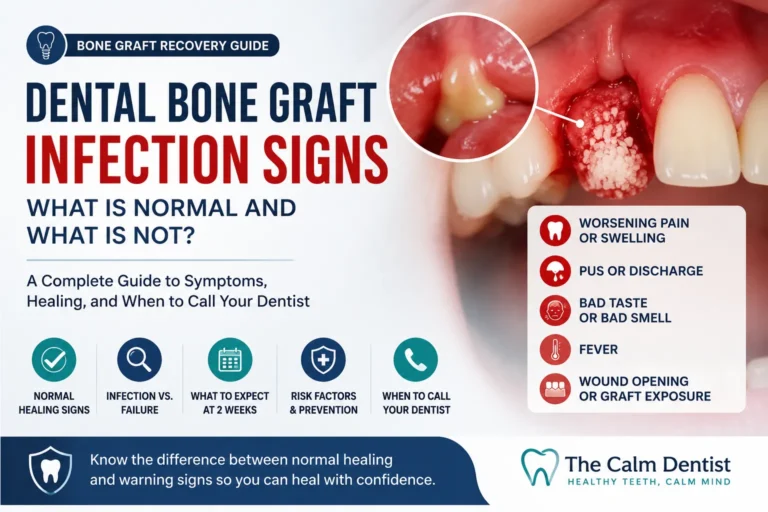
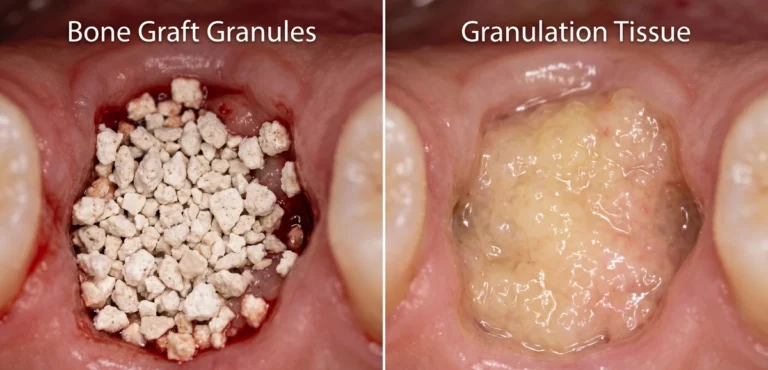
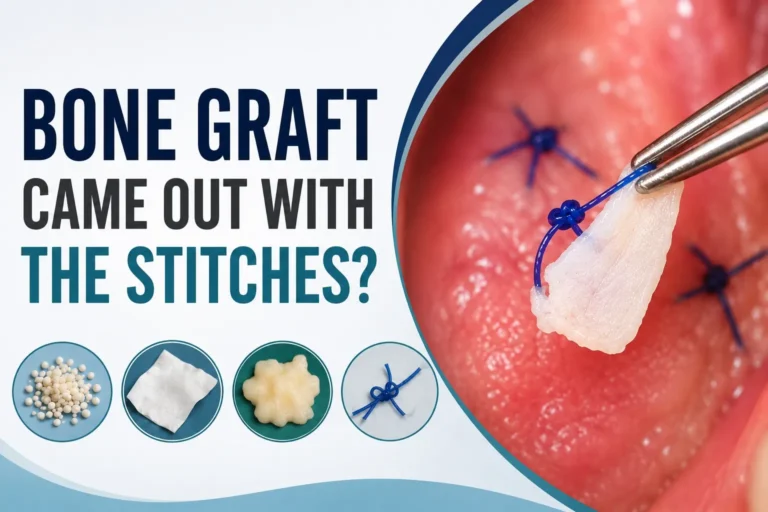
Dental implant surgery under local anesthesia often feels like pressure, vibration, tapping, and movement. You may hear drilling and suction. You should not feel sharp pain in the numb area. Watch for complications and contact your dentist promptly if you feel that your dental bone graft is falling out.
Can I get sedation if I have dental anxiety?
Yes, you can ask about sedation for dental anxiety. Options may include nitrous oxide, oral sedation, IV sedation, or general anesthesia, depending on your health, procedure, and provider.
How long does swelling last after a sinus lift and bone graft?
Swelling often increases for the first two to three days, then gradually improves. University of Rochester Medical Center notes that swelling after dental implants or related surgery often peaks around 48 to 72 hours. (University of Rochester Medicine)
What should I avoid after a sinus lift?
You may need to avoid nose blowing, straws, smoking, vaping, heavy lifting, bending, and sneezing with your mouth closed. Follow your surgeon’s sinus precautions first.
Is bone graft healing quick?
Initial gum healing may take about a week, but full bone graft healing takes longer. Cleveland Clinic notes that complete dental bone graft healing can take months and may take up to one year in some cases. (Cleveland Clinic).
Can I drive home after a sinus lift under local anesthesia?
If you only receive local anesthesia, you may be able to drive yourself home, but you should follow your dentist’s advice. If you receive oral sedation, IV sedation, or general anesthesia, you will usually need a responsible adult to take you home.
Is a sinus lift worse than a dental implant?
A sinus lift can feel more intimidating because it involves the sinus area and bone grafting, but under effective local anesthesia, sharp pain should be controlled. Many patients describe pressure, vibration, and swelling afterward rather than severe pain during the procedure.
How long should I avoid blowing my nose after a sinus lift?
Follow your surgeon’s instructions. Many patients are told to avoid nose blowing for a period after surgery because sinus pressure can disturb the healing area.
Can I sneeze after a sinus lift?
Yes, but your surgeon may advise you to sneeze with your mouth open to reduce pressure in the sinus area.
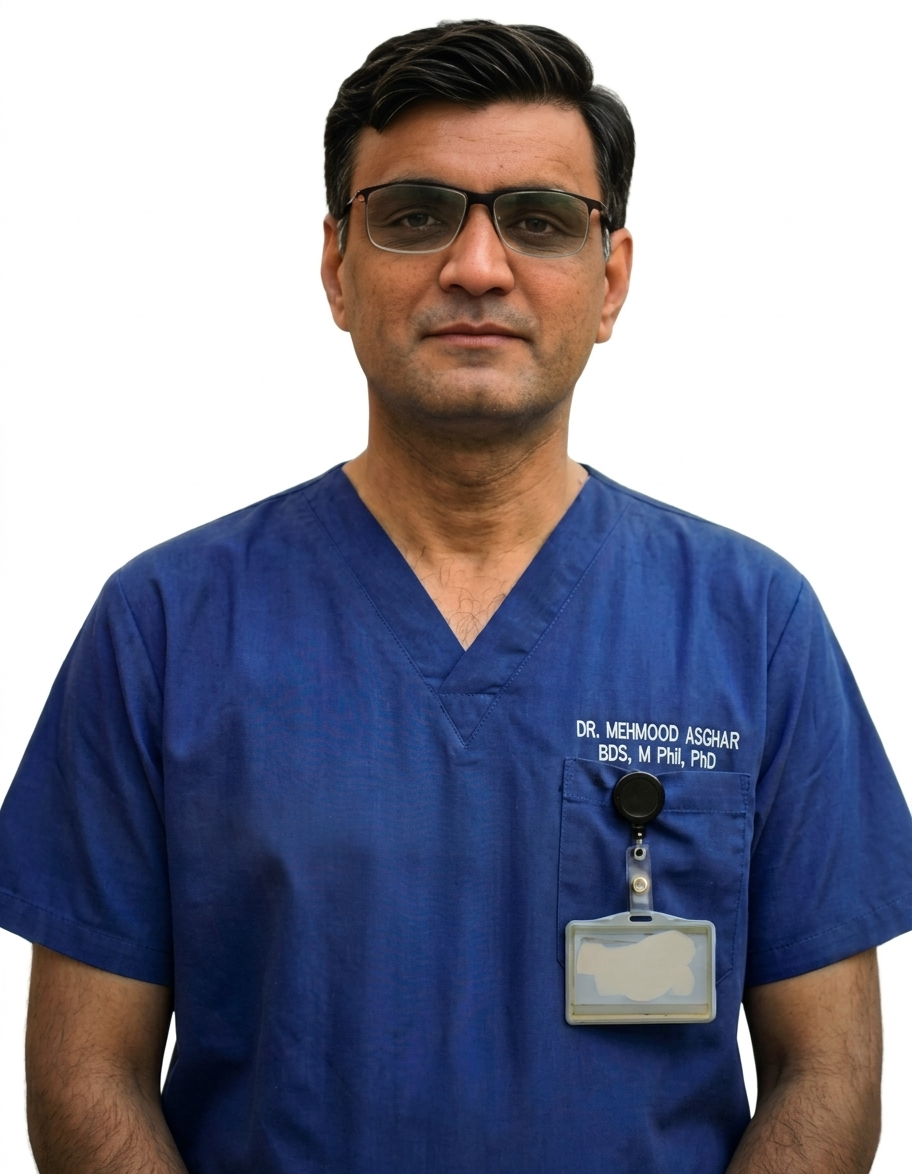
Dr. Mehmood Asghar is a Dentist and an Assistant Professor of Dental Materials, with nearly a decade of clinical experience. He holds a Ph.D. in Dental Biomaterials from Universiti Malaya and a Bachelor of Dental Surgery (BDS) from NUST. As a dedicated researcher with over 25 peer-reviewed publications and more than 310 citations in international journals, Dr. Asghar bridges the gap between clinical dentistry and advanced biomaterials research to provide patients with evidence-based, practical dental advice.