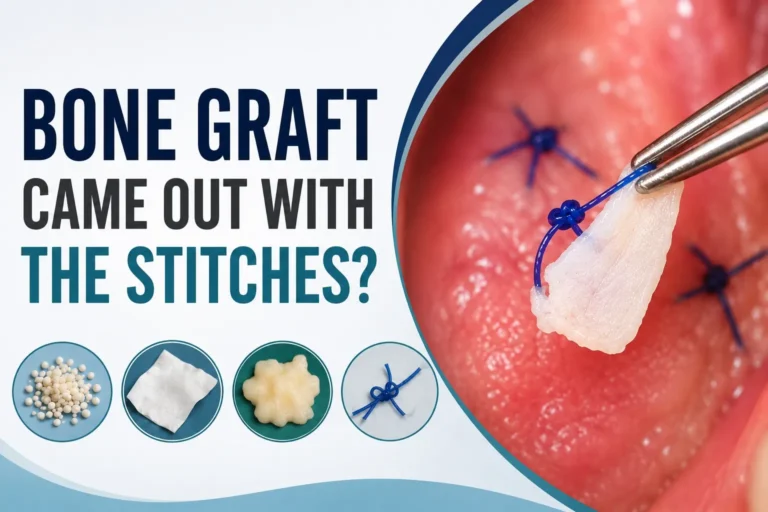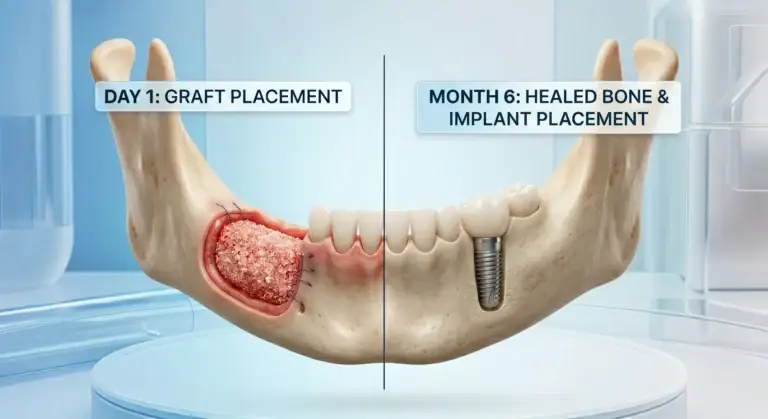
If you have already had a dental bone graft, one of the most natural questions is: How Long After a Bone Graft Can You Get a Dental Implant?
The honest answer is that implant timing is individual. Your dentist or surgeon considers the graft size and location, the quality of available bone, how the surgical area has healed, your overall treatment plan, and—when appropriate—clinical imaging.
This guide focuses on the staged treatment pathway: you have had a graft, and your clinician is deciding when implant placement may be appropriate.
If you are also planning for treatment costs, see why dental implants can be expensive and what affects the total fee.
Quick Answer
There is no single maximum time between a bone graft and an implant that applies to everyone. Cleveland Clinic guidance says bone grafts need at least 3 months to heal, while larger grafts can take 9–12 months; it also advises discussing implant placement within 6–12 months after healing because grafted bone may begin to shrink. These are general guideposts, not a deadline for every graft. Your dentist or surgeon should assess your site and treatment plan before deciding what is appropriate.
A dentist does not decide readiness from gum appearance alone. They assess the surgical site, your recovery, the stability and quality of the area, and sometimes imaging before recommending the next step.
Important: Do not judge graft healing only by how the gum looks. Your treating clinician uses the surgical site, stability, clinical assessment, and sometimes imaging to decide when implant placement is appropriate.
For a broader explanation of the recovery process itself, read Dental Bone Graft Healing Stages: What to Expect from Day 1 to Month 6.
What Determines How Long After a Bone Graft Can You Get a Dental Implant??
There is no single waiting period that applies to every patient. Implant timing is based on the clinical situation rather than a calendar date alone.
The Size and Type of Bone Graft
A smaller grafted area may follow a different pathway from a larger graft used to rebuild more substantial bone loss. The graft material, the reason for grafting, and the way the area was prepared can all affect the treatment plan.
The key question is not simply, “How many weeks has it been?” It is whether the grafted area has developed into a suitable foundation for the planned implant.
For a general overview of dental bone grafting, see Cleveland Clinic’s dental bone-graft guide.
Where the Graft Was Placed
The location of the graft matters. Healing and planning can differ between the front and back of the jaw, the upper and lower jaw, and areas close to important structures such as the maxillary sinus.
If bone support is needed in the upper back jaw, your clinician may discuss sinus-related planning. Read Sinus Lift Under Local Anesthesia: Does It Hurt? Recovery & Anxiety Tips for a patient-focused explanation of that procedure.
Your Healing and Follow-Up Assessment
Your clinician will consider how the area has healed, whether there are symptoms that need attention, and whether the wider treatment plan remains appropriate.
Factors that can affect a treatment timeline include:
- The original condition of the tooth and surrounding bone
- The extent and location of grafting
- Healing at the surgical site
- Oral-health and periodontal considerations
- Smoking or nicotine use
- Medical conditions and medications relevant to healing
- Whether additional procedures are needed before implant placement
This does not mean a delay always indicates a problem. Sometimes it simply reflects a cautious, staged treatment plan.
How Dentists Check Whether a Graft Is Ready
Your dentist or surgeon does not rely only on how the area feels to you. They may use a combination of:
- A clinical examination of the surgical site
- Your healing history and symptoms
- Assessment of the gums and surrounding tissues
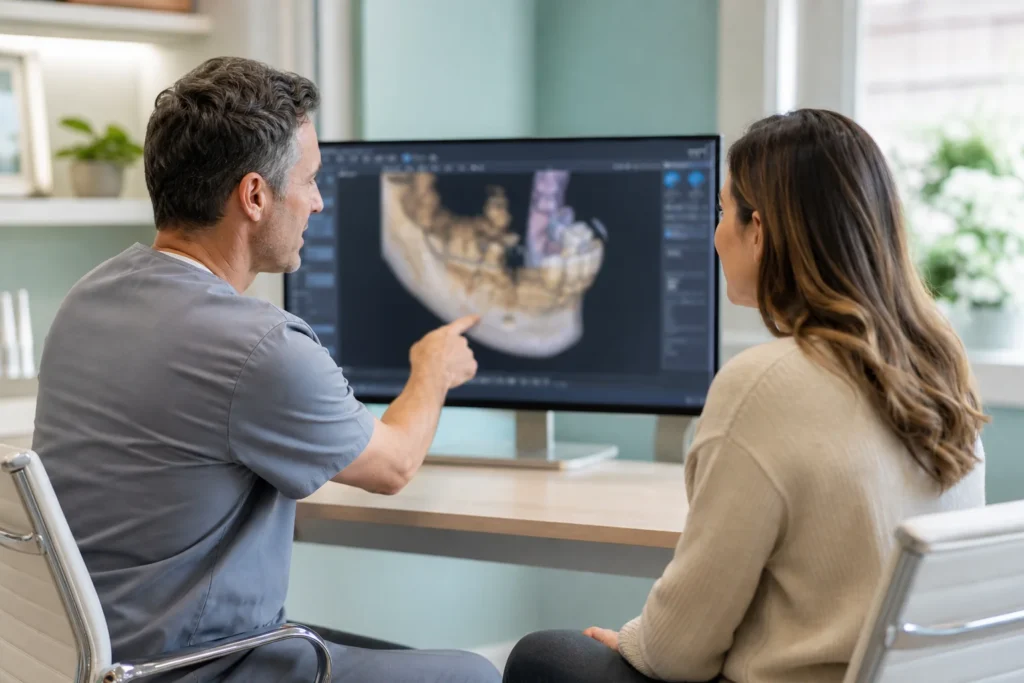
- Review of imaging when appropriate
- The planned position and stability requirements of the implant
Dental implant treatment is planned around long-term support, not just short-term comfort. A grafted area may look healed on the surface before deeper biological healing has progressed sufficiently for the next stage.
For general background on implant surgery and planning, see Mayo Clinic’s dental implant surgery overview.
Why Implant Timing Can Differ After a Bone Graft
You may hear terms such as immediate, early, or delayed implant placement. These describe different clinical pathways rather than a promise that one approach is right for every patient.
In some situations, a clinician may discuss combined grafting and implant placement. In other situations, allowing the grafted area to heal before placing an implant may be the more appropriate plan.
This article is for readers who have already had a graft and are waiting for a readiness assessment. A separate guide on same-day grafting and implant placement should cover that decision in detail once it is published.
The practical takeaway is simple: do not compare your timeline too closely with someone else’s. Two people can have a “bone graft” but require very different treatment plans.
What If Your Implant Is Delayed Longer Than Expected?
A longer timeline can be frustrating, especially when you are eager to complete treatment. However, it is usually better to understand why the clinician is recommending more time than to rush into a procedure before the area is ready.
Ask your dentist or surgeon:
- What are you waiting to see before implant placement?
- Is the delay part of the original treatment plan or a change?
- Will imaging be used before the next step?
- Are there steps I should take to support oral health during this period?
- Is a temporary tooth-replacement option appropriate while I wait?
A careful timeline is not a failure. It is often part of planning a stable implant result.
For a patient-oriented explanation of implant healing, see the American Association of Oral and Maxillofacial Surgeons’ dental-implant healing resource.

Questions to Ask at Your Follow-Up Appointment
Take these questions to your review appointment:
- Has the grafted area healed as expected so far?
- What clinical findings are you using to decide when I am ready for an implant?
- Do I need imaging before the implant is planned?
- Does the graft location affect my timeline?
- Are there any factors that could delay implant placement?
- What would happen if we placed the implant too early?
- What is the next review or decision point in my treatment plan?
Clear answers can make a waiting period feel more manageable and help you understand the purpose behind each stage.
Frequently Asked Questions
How does a dentist know a bone graft has healed enough?
A clinician assesses the surgical site, your recovery, the planned implant position, and—when appropriate—imaging. Gum appearance alone does not confirm that the deeper bone has healed sufficiently.
Can a dental implant ever be placed at the same time as a bone graft?
In selected cases, a clinician may discuss combined treatment. Whether that is appropriate depends on the site, available bone, implant stability, infection risk, and the overall treatment plan. It is not suitable for every graft or every patient.
What factors can delay implant placement after grafting?
The timeline may be affected by graft size and location, healing progress, oral-health concerns, smoking or nicotine use, medical factors, additional procedures, and the clinical findings at follow-up.
Related Reading
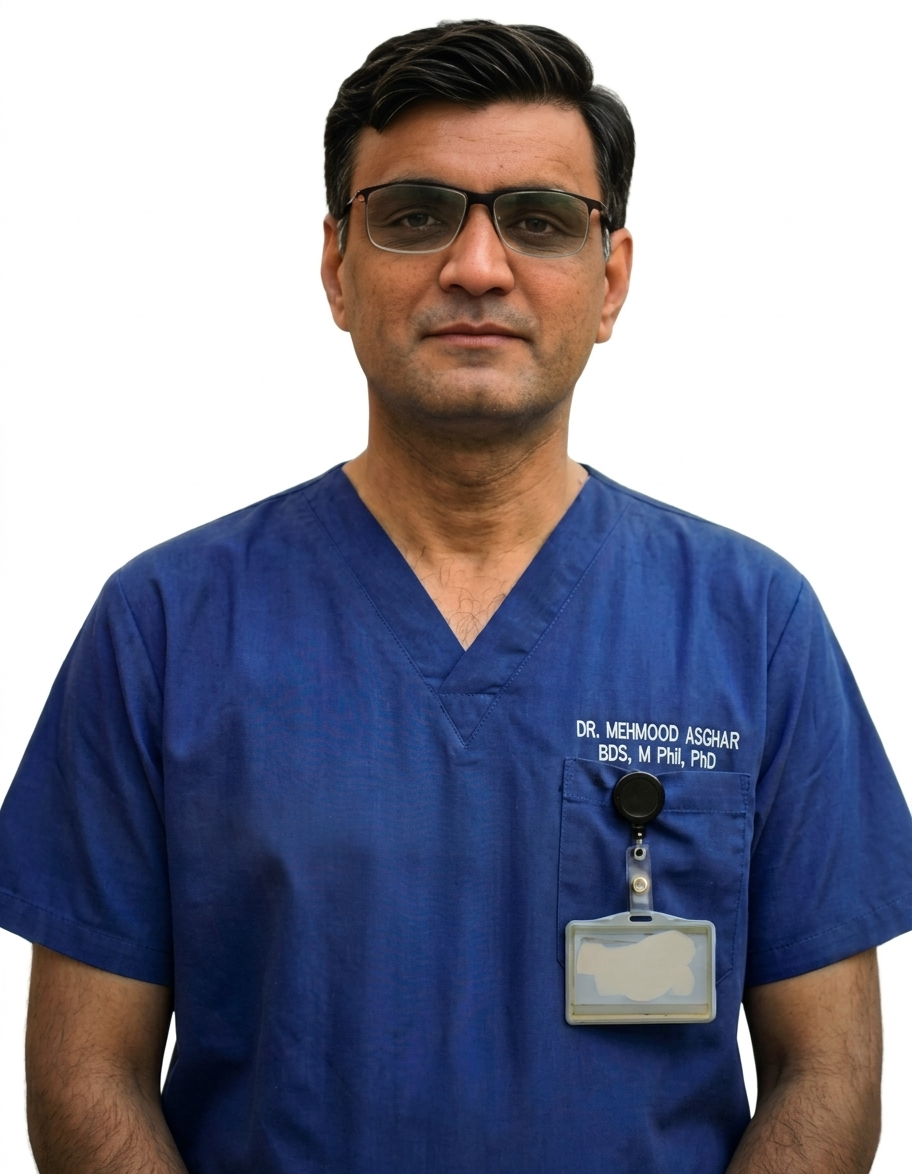
Dr. Mehmood Asghar is a Dentist and an Assistant Professor of Dental Materials, with nearly a decade of clinical experience. He holds a Ph.D. in Dental Biomaterials from Universiti Malaya and a Bachelor of Dental Surgery (BDS) from NUST. As a dedicated researcher with over 25 peer-reviewed publications and more than 310 citations in international journals, Dr. Asghar bridges the gap between clinical dentistry and advanced biomaterials research to provide patients with evidence-based, practical dental advice.
Discover more from The Calm Dentist Blog
Subscribe to get the latest posts sent to your email.