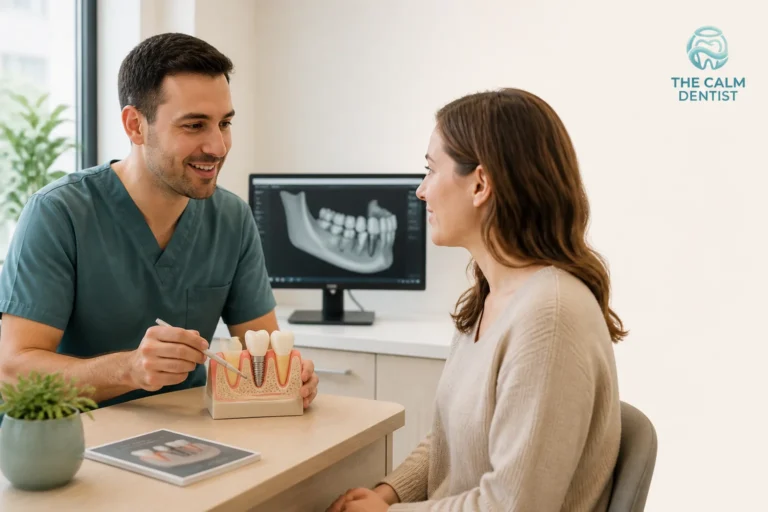

A sinus lift under local anesthesia can sound worrying, especially if you already feel anxious about dental treatment. Many people want to know whether they will feel pain, how aware they will be during the procedure, and what recovery may involve.
A sinus lift is sometimes recommended when there is not enough bone in the upper back jaw to support a planned dental implant. It creates space beneath the maxillary sinus so graft material can support future implant planning.
Quick Answer
A sinus lift performed under local anesthesia is intended to keep the surgical area numb, so you should not feel sharp pain. You may still notice pressure, vibration, sounds, movement, or simply the sensation of time passing.
Pressure is different from pain. If you feel pain, burning, or an unexpectedly intense sensation, tell the dental team straight away. They can assess your comfort and make appropriate adjustments.
Recovery differs between patients and procedures. Mild swelling, tenderness, bruising, or a feeling of fullness in the upper jaw can occur during early recovery. Your surgeon’s individual instructions should always take priority over general advice online.
Why Might a Sinus Lift Be Recommended?
Dental implants need enough healthy bone for support. In the upper back jaw, the maxillary sinus sits close above the premolar and molar teeth. After tooth loss, the available bone height can sometimes be limited.
A sinus lift under local anesthesia may be recommended when your clinician believes additional bone support could improve implant planning. The decision depends on factors such as the available bone, sinus position, oral health, healing after extraction, and the overall treatment plan.
For a general explanation of bone-graft procedures, see Cleveland Clinic’s dental bone-graft overview:
If you are trying to understand the wider timeline before an implant can be placed, read How Long After Bone Graft Can I Get a Dental Implant?

What Does a Sinus Lift Under Local Anesthesia Feel Like?
Local anesthesia is used to numb the surgical area. Its purpose is to prevent pain while you remain awake.
People experience dental treatment differently, but knowing what may happen can reduce uncertainty.
Numbness, Pressure, and Vibration
Once the area is numb, you may notice:
- Pressure or pushing sensations
- Vibration from dental instruments
- Sounds from suction or surgical equipment
- Your head or jaw being repositioned
- A sense that someone is working near the upper jaw or cheek
You should not feel that you have to stay silent if something feels painful. Before treatment begins, agree on a simple hand signal that allows you to pause the procedure if needed.
Anxiety and Sensory Concerns
For an anxious patient, uncertainty can be harder than the physical procedure. Sounds, mouth-open positioning, loss of control, and the length of an appointment can all make normal sensations feel more intense.
Before treatment, it is reasonable to ask:
- How long the procedure is expected to take
- What sensations are normal to notice
- Whether you can take short breaks if needed
- Whether headphones or music are permitted
- What anxiety-support or sedation options may be available
For information about one commonly discussed sedation approach, see the American Dental Association’s nitrous oxide information page:
When Should I Discuss Sedation Options?
Discuss anxiety and sedation options before the day of treatment, especially if fear is likely to make the appointment difficult.
Local anesthesia may be sufficient for many patients. However, it is appropriate to ask your clinician about additional options if you have strong dental fear, previous difficult experiences, panic symptoms, severe gagging, or concerns about tolerating a longer procedure.
The right approach depends on your procedure, medical history, clinician, and local facilities. Your dental team can explain what may be appropriate for you.
For broader information about anesthesia services in oral and maxillofacial surgery, see the American Association of Oral and Maxillofacial Surgeons:
Do not change medication, food intake, transport arrangements, or other preparation unless your treating team has given you specific instructions.

What Is Normal During the First Days of Recovery?
Your individual post-operative instructions should always come first. In general, early recovery can include temporary swelling, tenderness, bruising, mild bleeding or oozing, and discomfort around the upper jaw or cheek.
Some people notice that the area feels unfamiliar, full, or sensitive while the surgical site settles. That does not automatically mean there is a problem.
For a broader stage-by-stage explanation of graft recovery, read Dental Bone Graft Healing Stages: What to Expect from Day 1 to Month 6:
When Should I Contact My Dentist or Surgeon?
Contact your dental team promptly if symptoms feel severe, rapidly worsening, or different from the recovery guidance you were given.
Seek urgent dental or medical help for symptoms such as:
- Rapidly increasing facial swelling
- Fever or feeling systemically unwell
- Heavy or uncontrolled bleeding
- Severe pain that is not improving as expected
- Pus, foul taste, or drainage from the surgical area
- Difficulty breathing or swallowing
For a more detailed guide, read Dental Bone Graft Infection Signs: What Is Normal and What Is Not?
This list is not a diagnosis tool. If you are worried, contacting the treating practice is usually the safest next step.
Questions to Ask Before a Sinus Lift
When discussing your treatment plan, ask whether the estimate includes grafting, imaging and follow-up. Our guide explains what affects the total cost of dental implant treatment.
A good consultation should leave you knowing what is planned and why. Consider asking:
- Why is a sinus lift recommended in my case?
- Will my implant be placed during the same procedure or later?
- What anesthesia or sedation options are available?
- What should I expect to feel during the procedure?
- What are my personalised recovery instructions?
- What symptoms should prompt me to call the practice?
- How will you assess whether the graft has healed before implant treatment?
Frequently Asked Questions
Is a sinus lift under local anesthesia painful?
Local anesthesia is intended to numb the surgical area and prevent sharp pain. You may still notice pressure, vibration, sound, and movement. Tell the dental team immediately if you feel pain or are struggling with anxiety during treatment.
Can I discuss sedation if I am very anxious?
Yes. Raise anxiety concerns during your consultation, ideally before the procedure is booked. Your clinician can explain whether additional support or sedation may be appropriate based on your treatment plan and health history.
How long does early recovery usually take?
Early recovery differs between patients and procedures. Swelling and tenderness may occur during the first days, while deeper graft healing takes longer and is assessed during follow-up. Follow your clinician’s individual instructions rather than relying on a general timeline.
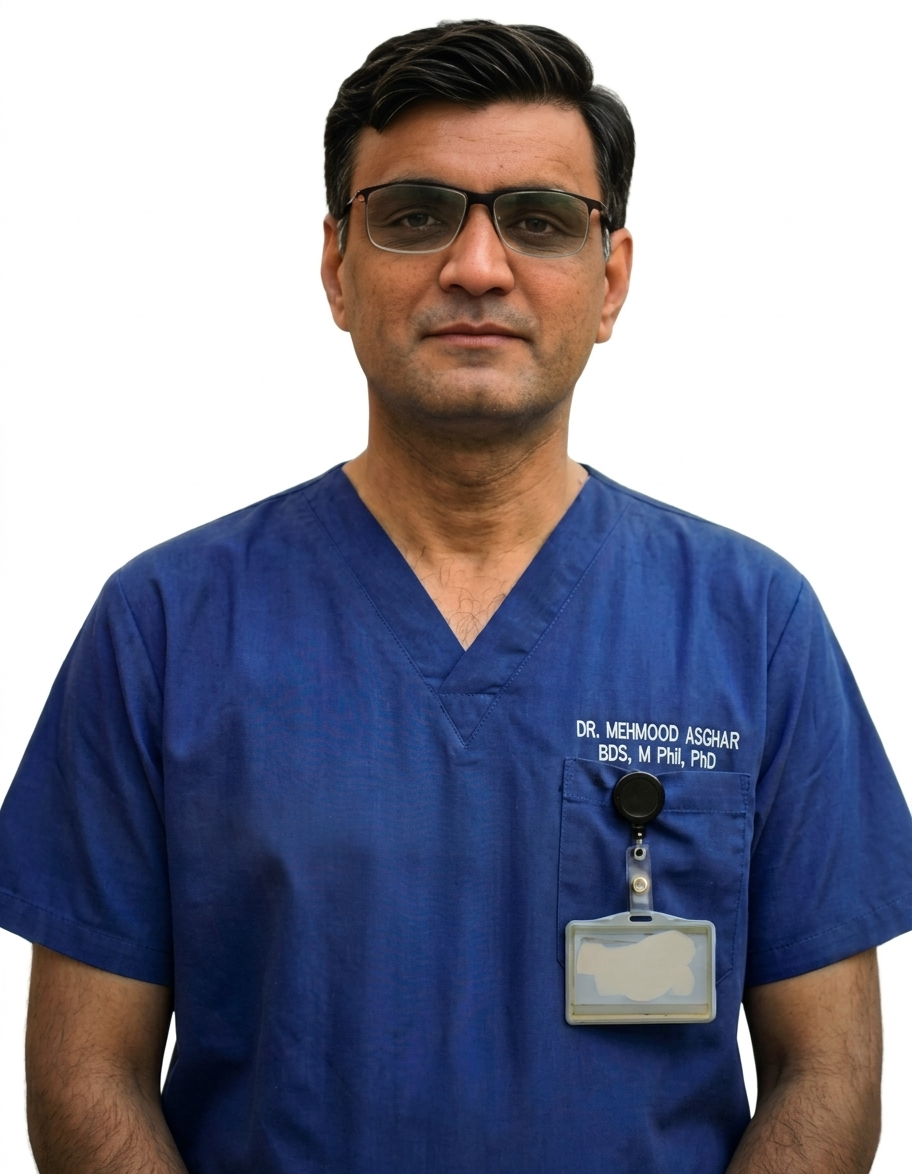
Dr. Mehmood Asghar is a Dentist and an Assistant Professor of Dental Materials, with nearly a decade of clinical experience. He holds a Ph.D. in Dental Biomaterials from Universiti Malaya and a Bachelor of Dental Surgery (BDS) from NUST. As a dedicated researcher with over 25 peer-reviewed publications and more than 310 citations in international journals, Dr. Asghar bridges the gap between clinical dentistry and advanced biomaterials research to provide patients with evidence-based, practical dental advice.
Discover more from The Calm Dentist Blog
Subscribe to get the latest posts sent to your email.