Quick Answer
White gums or white patches on the gums can happen for many reasons, including irritation from brushing, canker sores, oral thrush, healing after dental treatment, or conditions like leukoplakia. In many cases, the cause is minor, but you should consult a dentist if the white area lasts more than 1–2 weeks, keeps coming back, becomes painful, bleeds, grows, feels hard, or cannot be wiped away. Persistent white patches should always be checked professionally because some conditions, such as leukoplakia, may need closer dental evaluation
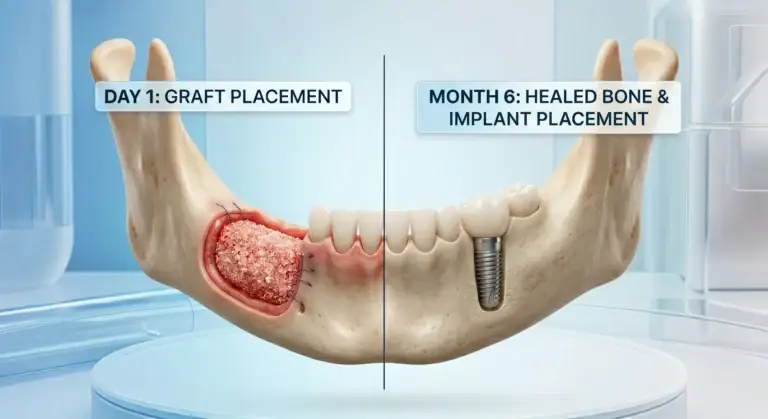
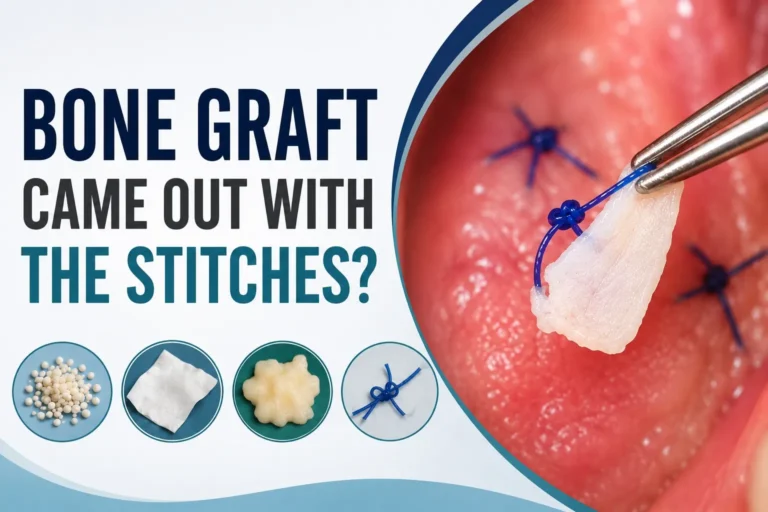
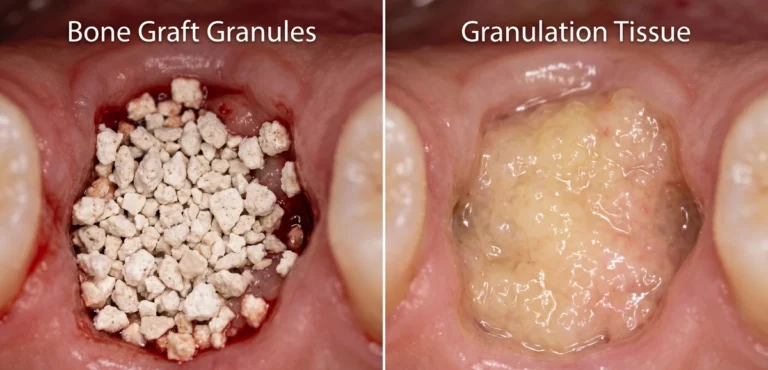
If the white area appeared specifically after a dental bone graft, see our Dental Bone Graft Guide for a focused explanation of healing tissue, graft particles, warning signs, and when to call your dentist.
A white color on gums can be worrying, especially when it appears suddenly or looks different from your normal gum shade. Sometimes, the change is harmless and temporary. It may come from plaque buildup, minor irritation, a small mouth ulcer, whitening products, or dry mouth. But in other cases, white gums, white patches, or a white film on the gumline can be linked to oral thrush, gum disease, leukoplakia, oral lichen planus, or another condition that needs professional care.
The important thing to understand is that gum color is not the same for everyone. Healthy gums can be light pink, coral, darker pink, brownish, or naturally pigmented depending on skin tone and genetics. What matters most is a new change. If your gums suddenly look white, patchy, swollen, painful, rough, or different from usual, it is worth paying attention. According to Cleveland Clinic, healthy gums can vary in color, but warning signs include unusual color changes, bleeding, swelling, tenderness, recession, or loose teeth.
Many people search online for phrases like why are my gums white, white gums around teeth, white film on gums, or meaning of white gums. The answer depends on what the white area looks like, whether it wipes away, whether it hurts, and how long it has been there. A thin white coating that comes off may not mean the same thing as a thick white patch that stays in place for weeks.
This guide explains the most common causes of white gums, how to tell when the issue may be urgent, and when to consult your dentist for a proper diagnosis.
Important note: This article is for educational purposes only. It cannot diagnose your mouth. If you have persistent white patches, pain, swelling, bleeding, fever, loose teeth, or difficulty swallowing, contact a dentist, physician, or oral medicine specialist.
White Color on Gums: When to Consult Your Dentist
You should consult your dentist if the white area on your gums does not improve within about two weeks, cannot be wiped away, feels thick or rough, appears with red patches, bleeds, causes pain, or comes with swelling, bad breath, pus, loose teeth, or trouble chewing. The National Institute of Dental and Craniofacial Research advises seeing a dentist or doctor if symptoms such as a white or red patch, sore, lump, thick area, bleeding, numbness, or difficulty chewing or swallowing last longer than two weeks.
That does not mean every white spot is dangerous. A small canker sore, for example, may have a white or yellow center and a red border. Many minor canker sores heal on their own. However, Mayo Clinic recommends checking with a doctor or dentist if canker sores are unusually large, very painful, recurring, or do not seem to heal.
The safest approach is simple: do not panic, but do not ignore a persistent oral change. A dentist can examine the area, review your health history, check for plaque or gum disease, look for signs of infection or irritation, and decide whether you need treatment, X-rays, a periodontal evaluation, a swab test, or a biopsy.
Understanding the Condition
What Does White Color on Gums Mean?
A white color on the gums usually means that the surface tissue has changed in some way. That change may be caused by irritation, inflammation, infection, thickened tissue, healing tissue, reduced blood flow, or a buildup of material on the gum surface.
For example, a white film on gums may be plaque, dry mouth residue, food debris, dead surface cells, or a fungal coating. A painful white sore may be a canker sore or trauma from biting, brushing too hard, braces, dentures, or sharp food. A thick white patch that does not wipe away may be leukoplakia or another oral lesion that requires professional evaluation. MedlinePlus describes leukoplakia as white patches in the mouth that are often uneven, slightly raised, and cannot be scraped off.
One useful first question is: Can the white area be wiped away?
| What You Notice | Possible Meaning | What to Do |
|---|---|---|
| White film that wipes away | Plaque, dry mouth residue, food debris, or possible thrush | Improve oral hygiene and see a dentist if it returns or causes soreness |
| Painful white or yellow sore with red border | Canker sore or minor trauma | Monitor healing; seek care if large, severe, recurring, or lasting over two weeks |
| Thick white patch that does not wipe away | Possible leukoplakia, oral lichen planus, frictional irritation, or another lesion | Book a dental evaluation |
| White gums with bleeding or swelling | Possible gum disease or infection | See a dentist for gum assessment |
| White and red mixed patch | Needs prompt professional evaluation | Consult a dentist or doctor, especially if lasting more than two weeks |
Common Causes of White Gums
White gums can happen for many reasons. Some causes are temporary and easy to manage. Others need diagnosis and treatment. The most common possibilities include plaque buildup, gum disease, oral thrush, canker sores, irritation, leukoplakia, oral lichen planus, chemical burns, and general health issues that make gums look pale.
Symptoms Associated with White Gums
White gums may appear alone, or they may come with other symptoms. These symptoms can help your dentist understand what may be happening.
Signs that may suggest irritation or a minor sore include a small painful spot, a recent bite injury, discomfort after brushing hard, or a sore with a white or yellow center. Signs that may suggest thrush include creamy white patches, soreness, a cotton-like feeling in the mouth, loss of taste, or pain while eating. The Centers for Disease Control and Prevention lists white patches, redness or soreness, cotton-like feeling, loss of taste, and pain while eating or swallowing as possible symptoms of candidiasis in the mouth and throat (oral thrush).
Signs that may suggest gum disease include bleeding when brushing or flossing, swollen gums, tender gums, gum recession, loose teeth, bad breath, or pain while chewing. The CDC explains that gum disease involves inflammation and infection of the tissues around the teeth and can become serious before a person notices symptoms.
Specific Conditions Related to White Gums
White Gums Around Teeth
White gums around teeth can appear for several reasons. One of the most common is plaque collecting along the gumline. Plaque is a sticky film of bacteria that forms on teeth. If it is not removed through brushing and cleaning between the teeth, it can harden into tartar and irritate the gums.
Sometimes, what looks like white gum tissue is actually plaque, tartar, or debris sitting near the teeth. This may be more noticeable around crowded teeth, braces, retainers, crowns, bridges, or areas that are difficult to floss.
Another common reason for white around gums is irritation. Whitening strips, whitening gels, harsh mouth rinses, aggressive brushing, or a hard-bristled toothbrush can irritate the gum tissue and make it look pale or white for a short time. Dental work can also temporarily change the appearance of the gums while tissue heals.
People often ask, why are my gums white around my teeth? The answer depends on the pattern:
| Gumline Appearance | Possible Cause |
|---|---|
| Thin white line that brushes away | Plaque, food debris, or dry mouth residue |
| White tissue after whitening treatment | Temporary chemical irritation or tissue blanching |
| White sore at the gumline | Canker sore, trauma, irritation, or possible infection |
| White areas with red, swollen gums | Gingivitis, infection, or gum inflammation |
| Thick white patch that stays | Possible leukoplakia, oral lichen planus, or another lesion |
If the white area improves after gentle brushing and flossing, surface buildup may be involved. If it stays, grows, hurts, bleeds, or feels rough, it should be checked by a dentist.
Gum Disease and White Spots
Gum disease does not always appear white. It more often causes red, swollen, tender, or bleeding gums. Still, people search for gum disease white spots because inflamed or infected gum tissue may develop pale spots, ulcers, pus-like areas, or irritated patches near the gumline.
Gingivitis is the early stage of gum disease. The CDC describes gingivitis as inflammation of the gums that is largely preventable and treatable with routine oral hygiene and professional cleanings. If gingivitis is not treated, it can progress to periodontitis, a more serious condition involving bone loss around teeth.
The American Dental Association explains that periodontitis may involve deep pockets around teeth, bleeding, recession, tooth mobility, and loss of supporting bone. These problems are not always painful in the early stages, so visual changes around the gums should not be ignored.
A white spot near a tooth with swelling, throbbing pain, pus, or a bad taste may also suggest a dental abscess or drainage point. That type of symptom needs prompt dental care because the source may be an infection inside the tooth, around the root, or within a deep gum pocket.
White Film on Gums: Causes and Concerns
A white film on gums may come from plaque, dry mouth, mouth breathing, dehydration, oral thrush, irritation from mouthwash, or shedding of irritated surface tissue. It may also appear after using whitening products or strong rinses.
If the film wipes away easily and does not return, it may be temporary. If it keeps returning, causes soreness, has a cottage-cheese appearance, or leaves red tissue underneath, oral thrush may be involved. Mayo Clinic explains that oral thrush can cause creamy white patches or spots on the tongue, inner cheeks, roof of the mouth, gums, tonsils, or throat.
Do not scrape your gums aggressively to test the film. Gentle brushing is fine, but forceful scraping can irritate the tissue, cause bleeding, and make the area harder for a dentist to evaluate.
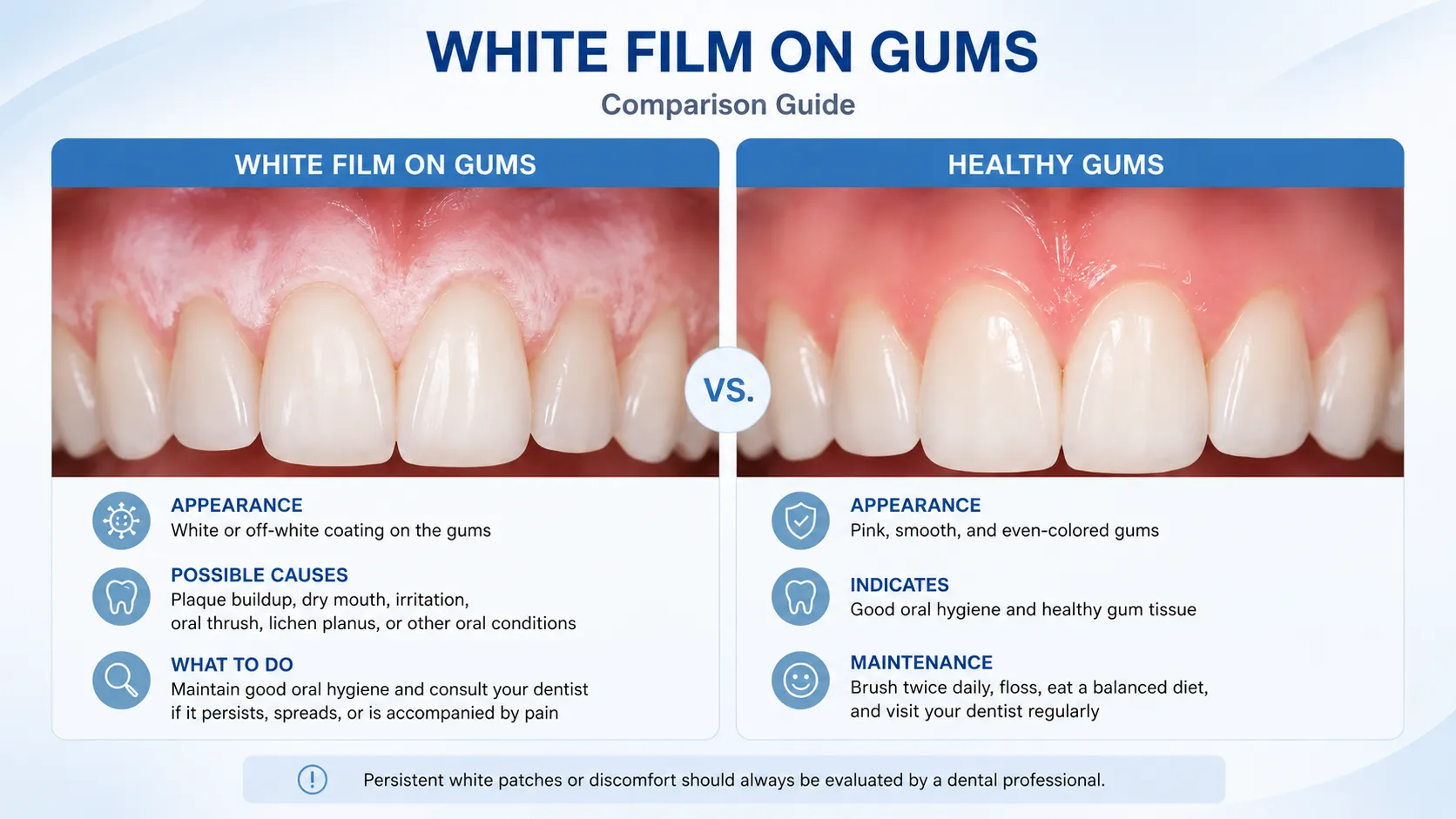
Why Are My Gums White Around My Teeth?
If you are asking, why are my gums white around my teeth, think about recent changes. Did you start whitening strips? Did you brush harder than usual? Did you switch mouthwash? Did you recently have dental work? Are your gums also bleeding or swollen? Did the white area appear suddenly or slowly?
A temporary white line after whitening may be irritation. A soft white coating may be plaque or residue. A painful white spot may be a sore. But a thick, non-wipeable patch near the teeth should be evaluated, especially if you use tobacco, drink heavily, have a rough tooth or denture edge, or have had the patch for more than two weeks.
Leukoplakia
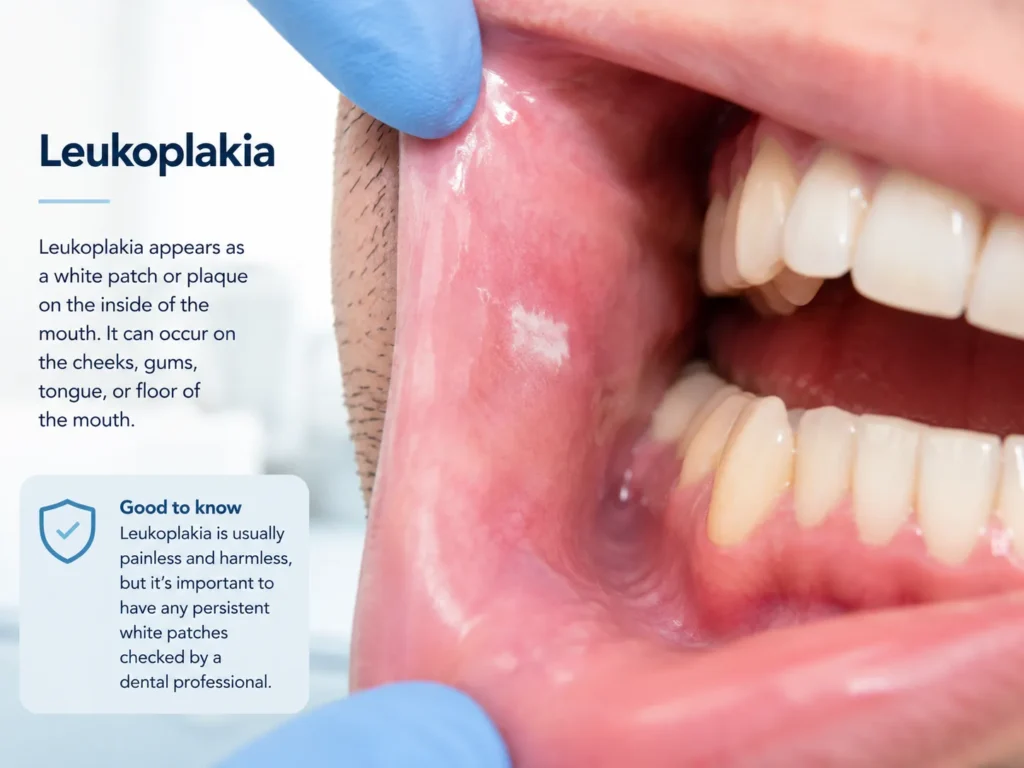
Leukoplakia is one of the most important causes to understand because it can appear as a white patch that does not wipe away. Mayo Clinic describes leukoplakia as thick white patches that can form on the gums, cheeks, floor of the mouth, or tongue. These patches cannot be scraped away.
Most leukoplakia patches are not cancer. However, some patches can show early signs of cancer or changes that may lead to cancer. Mayo Clinic also notes that white areas mixed with red areas may be more concerning and should be evaluated by a healthcare professional.
Leukoplakia is often linked with long-term irritation. Tobacco use is one major factor. Long-term alcohol use, sharp teeth, broken dentures, or rough restorations can also contribute. MedlinePlus explains that treatment often focuses on removing the source of irritation, and a biopsy may be used to confirm the diagnosis or check for abnormal cell changes.
This does not mean you should assume the worst. But it does mean any persistent, thick, white patch on the gums deserves professional evaluation.
Oral Thrush
Oral thrush, also called oral candidiasis, is a fungal overgrowth in the mouth. It can cause creamy white patches on the tongue, cheeks, roof of the mouth, throat, and sometimes the gums. The CDC lists symptoms of mouth and throat candidiasis as white patches, redness or soreness, cotton-like feeling, loss of taste, pain while eating or swallowing, and cracking at the corners of the mouth.
Thrush is more likely in babies, older adults, denture wearers, people with diabetes, people with weakened immune systems, people who recently used antibiotics, and people who use inhaled corticosteroids. It can also be more likely when dry mouth is present.
If you suspect thrush, do not rely only on home remedies. A dentist or doctor can confirm whether it is candidiasis and may recommend antifungal treatment. Mayo Clinic notes that diagnosis may include looking in the mouth and, when needed, taking a small scraping to study under a microscope.
Canker Sores and Minor Mouth Ulcers
Canker sores can also make the gums look white in one specific area. These sores often appear as round or oval lesions with a white or yellow center and a red border. They may form inside the lips or cheeks, under the tongue, on the soft palate, or at the base of the gums. Mayo Clinic says canker sores are not contagious, but they can be painful and can make eating or talking difficult.
Minor canker sores often heal within one to two weeks. Larger or deeper sores can take longer and may need treatment. If you have frequent sores, unusually painful sores, fever, difficulty eating or drinking, or sores that do not heal, talk to your dentist or physician.
Common triggers may include biting the cheek or gum, dental work, stress, acidic foods, spicy foods, aggressive brushing, braces, or sensitivity to certain toothpaste ingredients. Recurrent ulcers may also be linked with nutritional deficiencies, immune conditions, or other medical issues.
Oral Lichen Planus
Oral lichen planus is an inflammatory condition that affects the inside of the mouth. It may appear as lacy white patches, red swollen tissue, or open sores. Mayo Clinic explains that oral lichen planus can affect the cheeks, gums, tongue, inner lips, and palate.
Some people have little or no discomfort. Others feel burning, soreness, sensitivity to spicy or acidic foods, bleeding during brushing, or pain while chewing. This condition is not contagious. It may need monitoring and symptom management, especially when erosive or ulcer-like areas are present.
Irritation from Dental Appliances or Sharp Edges
Braces, retainers, dentures, night guards, broken fillings, rough crowns, chipped teeth, or sharp tooth edges can rub against gum tissue. When the mouth is repeatedly irritated, the surface may become thickened or pale. This can look like a white patch.
Because irritation-related white patches can resemble other conditions, it is best to have a dentist check the area. If a denture edge, crown, filling, or broken tooth is causing the problem, adjusting the source of irritation may help the tissue heal.
Burns from Whitening Products, Chemicals, or Hot Foods
Some white gum changes happen after a chemical or thermal burn. Whitening gels, peroxide products, aspirin placed directly on the gums, strong mouth rinses, or hot foods can irritate gum tissue and cause a white, peeling, or sloughing surface.
A mild burn may improve within a few days, but severe pain, swelling, spreading white tissue, or delayed healing should be checked. Avoid applying aspirin, bleach, undiluted peroxide, or essential oils directly to the gums. These can damage oral tissue.
Pale Gums and General Health
Sometimes gums look white or pale overall rather than patchy. Pale gums are different from a white spot or coating. They may be related to reduced blood flow, anemia, shock, or another medical issue.
If your gums suddenly look very pale and you also feel dizzy, weak, short of breath, faint, or seriously unwell, seek medical care. If the change is gradual but noticeable, mention it to both your dentist and primary care provider.
Risk Factors and Prevention
Lifestyle Factors Affecting Gum Color
Several lifestyle factors can increase the risk of white patches, gum irritation, gum disease, and oral health problems.
Tobacco is one of the most important risk factors. The National Institute of Dental and Craniofacial Research lists tobacco use, heavy alcohol use, HPV infection, age, sun exposure for lip cancer, poor nutrition, and genetics among risk factors related to oral cancer.
Smoking also increases the risk of gum disease. The CDC lists smoking, diabetes, poor oral hygiene, stress, genetics, hormonal changes, poor nutrition, and certain medications among factors associated with gum disease.
Alcohol can also irritate the mouth, especially when combined with tobacco. Long-term alcohol use is also noted by Mayo Clinic as a possible factor associated with leukoplakia.
Dry mouth is another common contributor. Saliva helps protect the mouth by washing away food particles and helping control bacteria. When the mouth is dry, plaque can build up more easily, tissues may become irritated, and fungal overgrowth may be more likely. Dry mouth can be related to medications, dehydration, mouth breathing, tobacco, alcohol, cannabis, or certain medical conditions.
Oral Hygiene Practices for Healthy Gums
Good daily care lowers the risk of plaque buildup, gingivitis, cavities, gum inflammation, and some forms of irritation. The American Dental Association recommends brushing for two minutes twice a day with a soft-bristled toothbrush. The ADA also recommends replacing toothbrushes every three to four months or sooner if the bristles are visibly matted or frayed.
Cleaning between the teeth matters too. Toothbrush bristles cannot fully clean the tight spaces between teeth. The American Dental Association explains that floss and other interdental cleaners help remove debris and plaque between teeth and reduce the likelihood of gum disease and tooth decay.
A simple gum-friendly routine includes:
- Brush twice daily with fluoride toothpaste.
- Use a soft-bristled toothbrush.
- Clean between teeth once daily with floss, interdental brushes, or another dentist-recommended cleaner.
- Brush gently along the gumline instead of scrubbing aggressively.
- Clean dentures, retainers, or night guards as directed.
- See a dentist regularly for exams and cleanings.
- Avoid tobacco and limit alcohol.
- Ask your dentist before using strong whitening products if your gums are sensitive.
Brushing harder does not mean brushing better. Aggressive brushing can irritate the gums, contribute to recession, and make tissue look pale, sore, or traumatized.
Nutritional Considerations
Nutrition supports gum and oral tissue health. A balanced diet with enough protein, iron, folate, vitamin B12, vitamin C, and hydration helps the mouth repair itself. The National Institute of Dental and Craniofacial Research also notes that a diet low in fruits and vegetables has been linked with increased oral cancer risk.
If you have pale gums, frequent mouth sores, fatigue, dizziness, or recurring oral irritation, it may be worth discussing nutrition and possible bloodwork with your healthcare provider. Dentists can identify oral changes, but a physician may be needed to evaluate systemic causes such as anemia or vitamin deficiencies.
When to Seek Professional Help
Signs You Should Consult Your Dentist
You should consult your dentist if you notice any of the following:
- The white area lasts longer than two weeks.
- A white patch cannot be wiped away.
- The patch feels thick, hard, raised, or rough.
- The white area appears with red patches.
- Your gums bleed, swell, or hurt.
- You notice pus, bad taste, or a pimple-like bump on the gum.
- You have gum recession or loose teeth.
- You have trouble chewing, swallowing, speaking, or moving your tongue or jaw.
- You have numbness, ear pain, unexplained mouth bleeding, or a lump in the neck.
- You use tobacco or drink heavily and notice any persistent oral change.
The NIDCR recommends seeing a dentist or doctor when symptoms such as a white or red patch, sore, thick area, lump, bleeding, numbness, or difficulty chewing or swallowing last more than two weeks.
When It May Be More Urgent
Seek urgent dental or medical care if you have facial swelling, fever, severe tooth pain, spreading gum swelling, trouble breathing, trouble swallowing, uncontrolled bleeding, or signs of a spreading infection. These symptoms are not just cosmetic gum changes.
A white area with a painful swollen gum, pus, or a bad taste may point to infection. Dental infections should not be delayed because they can worsen and spread.

Diagnostic Procedures
Dental Examination
A dentist will usually begin with a visual exam and a few questions. They may ask when the white area started, whether it hurts, whether it wipes away, whether it has changed, whether you smoke or vape, whether you drink alcohol, what medications you take, and whether you have diabetes, dry mouth, immune system issues, recent antibiotic use, or recent dental treatment.
Your dentist will examine the gums, teeth, tongue, cheeks, palate, floor of the mouth, throat area, and dental restorations. The National Institute of Dental and Craniofacial Research explains that an oral cancer examination can be part of a regular dental checkup and may include checking the face, neck, lips, entire mouth, and back of the throat.
Periodontal Evaluation
If gum disease is suspected, your dentist or hygienist may measure the spaces between your teeth and gums, check for bleeding, assess recession, evaluate tooth mobility, and review dental X-rays for bone loss. The American Dental Association describes periodontitis as a condition that can involve deep pockets, bleeding, gum recession, tooth mobility, and bone loss.
Swab or Lab Testing
If thrush is suspected, your dentist or physician may diagnose it visually or take a small sample. Mayo Clinic notes that diagnosis may include looking at the white patches and, when needed, taking a small scraping to study under a microscope.
Biopsy
If a patch is persistent, unusual, thick, non-wipeable, red-and-white, or suspicious, your dentist may refer you to an oral surgeon, oral medicine specialist, periodontist, or ENT for a biopsy. A biopsy does not mean you definitely have cancer. It simply means the tissue needs a clear diagnosis.
MedlinePlus explains that biopsy may be used to confirm leukoplakia and check for changes that suggest oral cancer.
Treatment Options Available
If the Cause Is Plaque or Gingivitis
Treatment may include professional cleaning, improved brushing and flossing technique, antimicrobial rinse if recommended, and follow-up care. Gingivitis can often improve with consistent oral hygiene and professional cleanings. The CDC explains that gingivitis is largely preventable and treatable with routine oral hygiene and professional cleanings.
If the Cause Is Periodontitis
Periodontitis usually requires more involved care. Treatment may include scaling and root planing, periodontal maintenance cleanings, localized medication, bite evaluation, and sometimes surgery. The CDC notes that periodontitis cannot be reversed, but it can be slowed down and managed with professional treatment.
If the Cause Is Oral Thrush
Thrush may be treated with antifungal medication. Your dentist or doctor may also recommend cleaning dentures more carefully, rinsing after inhaler use, managing diabetes, reviewing medications, or addressing dry mouth. The right treatment depends on the cause and your overall health.
If the Cause Is a Canker Sore
Minor canker sores often heal on their own. For larger, persistent, or painful sores, a dentist or doctor may recommend medicated rinses, topical products, pain relief, or testing for underlying causes. Mayo Clinic notes that minor canker sores usually do not need treatment, but large, persistent, or unusually painful sores may require care.
If the Cause Is Leukoplakia
Treatment often starts by removing irritants. This may include stopping tobacco, reducing alcohol, smoothing sharp teeth, adjusting dentures, or replacing rough restorations. If the patch does not resolve or if biopsy shows abnormal changes, removal or specialist care may be recommended.
If the Cause Is Oral Lichen Planus
Oral lichen planus may require monitoring, symptom control, prescription medication, and regular checkups. Some cases are mild and need little treatment. Others cause burning, soreness, or ulcers and may need ongoing management.
If the Cause Is Irritation or Trauma
Your dentist may smooth a sharp tooth, adjust a denture, modify a night guard, change orthodontic hardware, or recommend gentler brushing. If the tissue heals after the irritant is removed, that is reassuring. If the white patch remains, further evaluation may be needed.
What You Can Do at Home While Waiting for a Dental Appointment
While waiting to see a dentist, use gentle care. Do not scrape, pick, burn, or treat the area with harsh home remedies.
- Brush gently with a soft-bristled toothbrush.
- Clean between your teeth daily.
- Avoid tobacco, vaping, and chewing tobacco.
- Avoid alcohol-based mouth rinses if they burn.
- Avoid spicy, acidic, or sharp foods if the area is sore.
- Stay hydrated.
- Do not scrape or pick at the white patch.
- Do not apply aspirin, bleach, undiluted peroxide, or essential oils directly to gums.
- Take a clear photo every few days to track changes.
- Write down when it started and whether it is growing, shrinking, or changing.
Home care can support healing, but it should not replace professional evaluation for a persistent white patch.

Common Questions About White Gums
Why Are My Gums White?
Your gums may look white because of plaque, irritation, canker sores, oral thrush, gum disease, leukoplakia, oral lichen planus, chemical irritation, trauma, or pale tissue related to general health. The most important clues are whether the area wipes away, whether it hurts, whether it spreads, and whether it lasts longer than two weeks.
What Is the Meaning of White Gums?
The meaning of white gums depends on the pattern. A removable coating may suggest plaque, dry mouth residue, or thrush. A painful white-centered sore may suggest a canker sore. A thick patch that cannot be wiped away may need evaluation for leukoplakia or another oral lesion. Pale gums throughout the mouth may need medical evaluation if they appear with fatigue, dizziness, weakness, or shortness of breath.
Is White Film on Gums Dangerous?
A white film on gums is not always dangerous. It may be plaque, dry mouth residue, or temporary shedding from irritation. But if it returns often, causes soreness, wipes away leaving red tissue, or spreads to the tongue and cheeks, it may be oral thrush or another condition that needs treatment.
Are White Gums Around Teeth a Sign of Gum Disease?
They can be, especially if you also have bleeding, swelling, tenderness, gum recession, loose teeth, bad breath, or pain while chewing. Gum disease commonly involves inflammation and infection of the tissues around teeth, and symptoms may include bleeding gums, swollen gums, recession, loose teeth, and painful chewing.
Can White Spots on Gums Be Cancer?
Most white spots are not cancer. However, persistent white or red patches can sometimes be warning signs of a more serious condition. The National Institute of Dental and Craniofacial Research lists a white or red patch in the mouth among symptoms that should be checked if present for more than two weeks.
Should I Scrape White Patches Off My Gums?
No. You can brush gently and rinse normally, but do not scrape aggressively. If it is thrush, scraping can irritate the tissue. If it is a true lesion, scraping will not fix it and may make the area harder to evaluate.
Prevention Tips for Healthy Gums
You cannot prevent every mouth sore or oral condition, but you can lower your risk of many gum problems with consistent care.
The foundation is simple: brush gently twice a day, clean between teeth once daily, avoid tobacco, manage dry mouth, keep dental appliances clean, and stay consistent with dental checkups. The American Dental Association recommends brushing twice daily for two minutes with a soft-bristled toothbrush, while the ADA’s flossing guidance explains the importance of cleaning between teeth to remove plaque and debris.
For healthier gums, focus on these habits:
- Schedule routine dental exams and cleanings.
- Stop smoking or using tobacco products.
- Limit alcohol.
- Manage diabetes and dry mouth.
- Clean dentures, retainers, and night guards daily.
- Rinse after using inhaled corticosteroids if recommended by your healthcare provider.
- Use whitening products only as directed.
- Ask your dentist about rough crowns, fillings, dentures, or broken teeth.
- Eat a balanced diet with fruits, vegetables, protein, and adequate hydration.
Prevention is not only about avoiding white gums. It is about keeping the gum tissue strong enough to protect your teeth and support long-term oral health.
Conclusion
A white color on gums can mean many things. It may be simple plaque, temporary irritation, a canker sore, oral thrush, gum disease, leukoplakia, oral lichen planus, or another condition that needs professional attention. The appearance alone is not enough to diagnose the cause.
The most important rule is this: if the white area is new, persistent, painful, spreading, non-wipeable, rough, bleeding, mixed with red, or still present after two weeks, consult your dentist. Early evaluation is usually simple, and it can prevent small problems from becoming serious.
For everyday prevention, keep the basics strong. Brush gently twice a day, clean between your teeth daily, avoid tobacco, manage dry mouth, keep dental appliances clean, and visit your dentist regularly. Healthy gums should look and feel normal for you: stable, comfortable, firm, and free from unexplained patches, swelling, or bleeding.
Medical Disclaimer
This article is for educational purposes only and should not be used as a substitute for professional dental or medical advice. If you notice persistent white patches, pain, bleeding, swelling, or any unusual change in your mouth, consult a qualified dentist or healthcare professional.
References
- National Institute of Dental and Craniofacial Research — Information on oral cancer symptoms, risk factors, oral examinations, and when persistent white or red patches should be checked.
- Centers for Disease Control and Prevention — Guidance on gum disease, gingivitis, periodontitis, symptoms, risk factors, prevention, and treatment.
- American Dental Association — Professional information on periodontitis, gum pockets, bleeding, recession, tooth mobility, and bone loss.
- American Dental Association — Recommendations for brushing twice daily with a soft-bristled toothbrush and replacing toothbrushes regularly.
- American Dental Association — Guidance on cleaning between teeth and reducing plaque buildup between teeth.
- Centers for Disease Control and Prevention — Symptoms of oral candidiasis, including white patches, soreness, cotton-like feeling, loss of taste, and pain while eating or swallowing.
- Mayo Clinic — Medical overview of oral thrush, symptoms, causes, and risk factors.
- Mayo Clinic — Diagnosis and treatment information for oral thrush.
- Mayo Clinic — Information on canker sores, symptoms, causes, and when to seek care.
- Mayo Clinic — Treatment guidance for canker sores and persistent mouth ulcers.
- Mayo Clinic — Overview of leukoplakia, including thick white patches, tobacco-related irritation, and when evaluation is needed.
- MedlinePlus — Medical information on leukoplakia, non-wipeable white patches, irritation sources, and biopsy evaluation.
- Mayo Clinic — Details on oral lichen planus, including lacy white patches, gum involvement, soreness, and monitoring.
- Cleveland Clinic — General guidance on healthy gum color, gum appearance, and warning signs of unhealthy gums.

Dr. Mehmood Asghar is a Dentist and an Assistant Professor of Dental Materials, with nearly a decade of clinical experience. He holds a Ph.D. in Dental Biomaterials from Universiti Malaya and a Bachelor of Dental Surgery (BDS) from NUST. As a dedicated researcher with over 25 peer-reviewed publications and more than 310 citations in international journals, Dr. Asghar bridges the gap between clinical dentistry and advanced biomaterials research to provide patients with evidence-based, practical dental advice.