Written and clinically reviewed by Dr. Mehmood Asghar, BDS, MPhil, PhD. Last reviewed: September 17, 2026. See our editorial standards.
Most dental bone graft sites feel noticeably better within one to two weeks, but the grafted bone usually continues healing for several months. What you see in the mirror mainly reflects gum healing; it cannot confirm whether the deeper graft is ready for an implant.
Quick answer
Early recovery after a dental bone graft mainly involves the surgical site and soft tissues. Deeper bone healing takes longer and is assessed by your dentist or surgeon at follow-up appointments. The exact healing pattern varies with the graft type, the location and size of the graft, your general health, and your treatment plan.
The Cleveland Clinic explains that initial recovery may take around a week, while the grafted bone itself can require several months or longer to heal.
Free printable: a bone graft recovery checklist with what’s normal day by day and when to call your dentist. Get the checklist ↓
On this page
- Quick healing timeline
- Days 1–4
- What Day 4 may look like
- Weeks 1–2
- Months 1–6
- When to contact your clinician
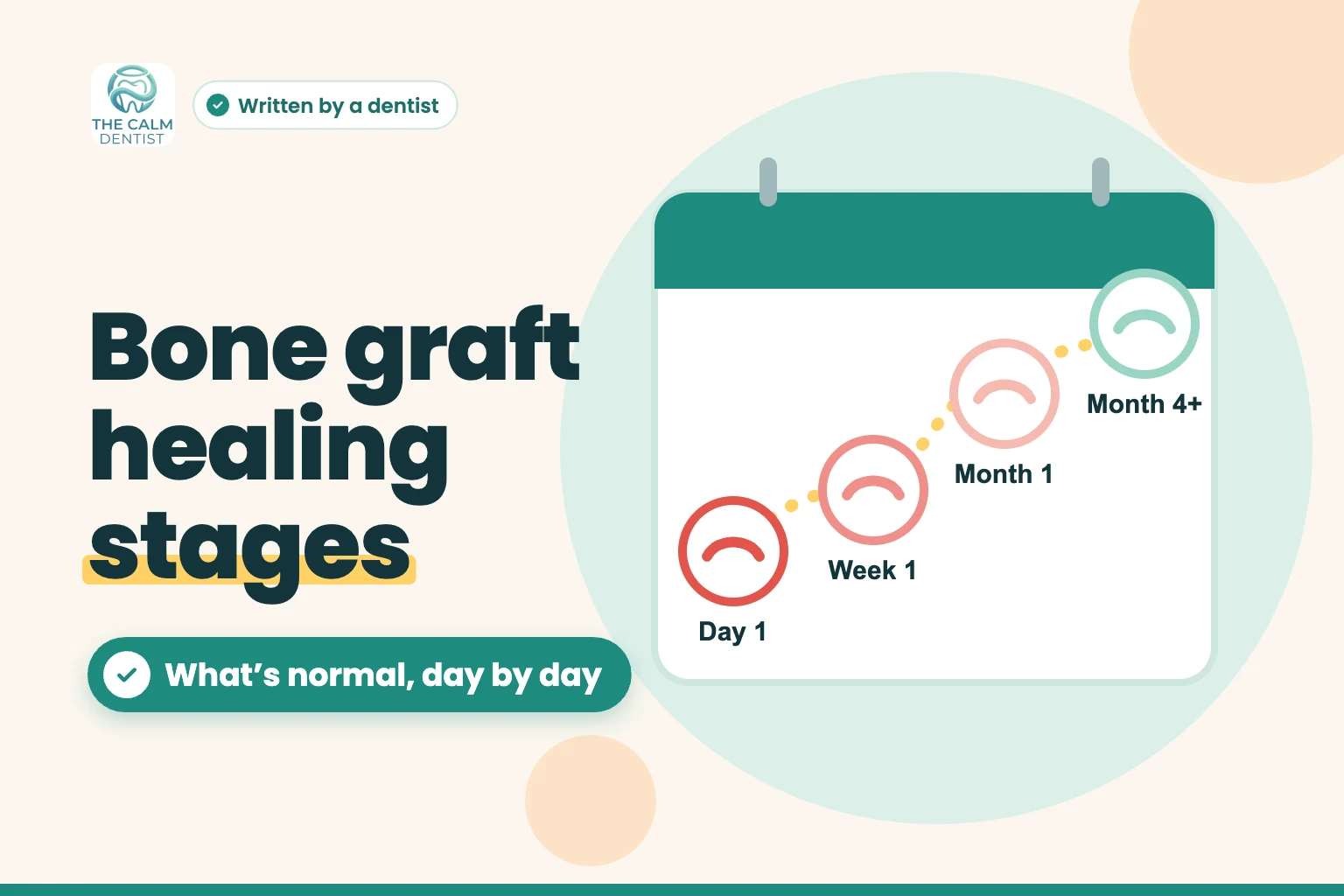
Dental bone graft healing timeline at a glance
These stages overlap and are approximate, not deadlines. Larger grafts may need nine to twelve months to heal, according to the Cleveland Clinic guide linked above. Your clinician determines readiness for implant placement.
| Timeframe | What’s Happening? | Your Main Task |
| Day 1 | Blood clot formation. | Protect the site; No straws/smoking. |
| Days 2–4 | Swelling may peak, then should begin settling. | Follow your clinician’s instructions; protect the site and choose soft foods. |
| Weeks 1-2 | Gum tissue often begins closing and becomes less tender; timing varies. | Use only advised rinses; attend follow-up if scheduled. |
| Month 1 | Deeper healing continues even if the gums feel comfortable. | Resume activity only as advised; deeper healing continues. |
| Months 2-3 | Bone formation and remodelling continue; the graft may not yet be ready for an implant. | Maintain advised hygiene and avoid smoking or vaping. |
| Months 4-6 | Bone maturation continues; some grafts need longer than six months. | Clinical review and imaging may guide implant planning. |
Days 1–4: early surgical-site recovery
The first few days are usually about protecting the surgical site and allowing the earliest stages of healing to begin. Your clinician may give specific instructions about food, oral hygiene, activity, medication, and whether to use ice packs.
It is common to notice tenderness, mild bleeding or oozing soon after surgery, swelling, bruising, and some change in the appearance of the gum tissue. These experiences can vary depending on whether the graft was placed in a tooth socket, along the jaw ridge, or as part of a more involved procedure.
The most helpful priority during this stage is not to disturb the area. Follow the instructions from the clinician who performed your procedure rather than comparing your recovery with someone else’s.
Swelling, Tenderness, and Normal Changes
Swelling and tenderness often feel most noticeable during the first few days, then should gradually begin to settle. The gum may look different from normal while it is healing, especially where stitches, a membrane, or a protective dressing were used.
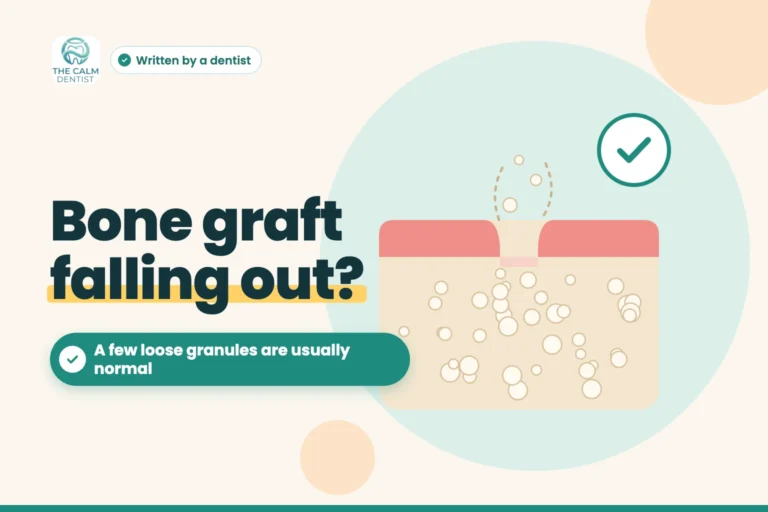
Small granules can sometimes be seen after surgery. A few sand-like particles may occur during early recovery, but avoid repeatedly touching or checking the site. If you see a large amount of material, have a wound that appears to open, or are concerned that the graft is moving, read Dental Bone Graft Falling Out: What to Do and contact your treating clinician.
What should healing look like on Day 4?
By Day 4, swelling may be near its peak or starting to ease. Tenderness, bruising, stitches, a protective membrane, pale fibrin or healing tissue, and a few sand-like graft particles can still be present. The site does not have to look “normal” yet.
Contact the treating clinician if pain or swelling is worsening rather than stabilising, bleeding is difficult to control, the wound opens, a large amount of material is lost, or you develop fever, pus, or a persistent foul taste. Seek emergency medical care for difficulty breathing or swallowing.
Weeks 1–2: gum and soft-tissue healing
During the first one to two weeks, the gums and soft tissues often begin to close and become less tender. Stitches may still be present, depending on the type used and your clinician’s plan.
If a stitch loosens or comes out, see our guide to bone graft stitches falling out. A missing stitch alone does not establish graft failure; contact your treating team if it happens earlier than expected or the wound opens.
A more comfortable mouth does not necessarily mean the deeper graft has finished healing. Surface gum healing and bone maturation happen on different timelines. This distinction matters because the graft is intended to create or preserve a stable foundation beneath the gums.
At follow-up, your dentist or surgeon may check the surgical site, review your symptoms, remove non-dissolving stitches if needed, and advise when you can return to more normal brushing, eating, or activity.
If pain, swelling, discharge, bad taste, or fever is worsening rather than improving, do not use this article to diagnose the cause. See Dental Bone Graft Infection Signs: What Is Normal and What Is Not? for a focused explanation, and contact your dentist or surgeon promptly.
The Following Weeks: Early Bone Healing
Once the gums have started to settle, the body continues the less visible process of healing beneath the surface. Bone graft material can act as a framework that supports the body’s own bone-forming and remodeling processes.
This stage is not something a patient can reliably judge by looking in a mirror. The area may feel much better while deeper healing is still continuing. That is why follow-up care remains important even when there is little or no discomfort.
Your dentist may advise you to avoid heavy pressure on the grafted area for a period of time. The right timeline depends on the procedure and should come from the clinician managing your case.
Months 1–6: bone maturation and follow-up
Over the following months, the grafted area continues to mature and remodel. The purpose is not simply for the gum to look healed; it is for the site to develop enough stable bone for the next stage of treatment, if one is planned.
Some grafts may require a relatively shorter healing period, while larger grafts or more complex procedures may need longer. For example, an upper-jaw graft associated with sinus treatment can have a different plan from a small socket-preservation graft.
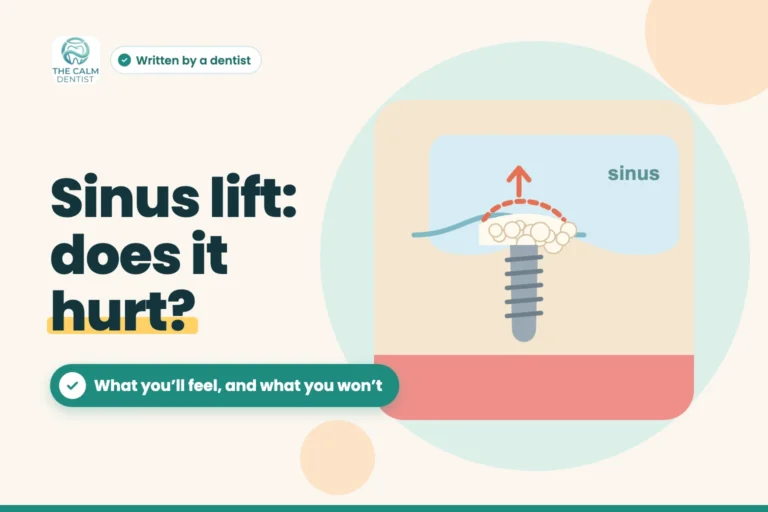
If your treatment involves the upper back jaw, Sinus Lift Under Local Anesthesia: Pain, Recovery & Anxiety Tips explains the procedure experience and early recovery without repeating the full bone-graft timeline.
Molar bone graft healing
A graft in a molar area follows the same broad biological stages, but the plan can differ because back teeth carry heavier chewing forces and upper molars may be close to the sinus. Avoid judging progress by comfort alone; your clinician may use examination and imaging to assess the available bone.
How Dentists Assess Bone Graft Healing
Your dentist or surgeon does not decide that a graft has healed based only on how the gums look or how comfortable you feel. They consider the whole clinical picture, which may include:
- The appearance and health of the gum tissue
- Tenderness, swelling, wound closure, and any signs that need review
- The amount and shape of bone available at the site
- Dental X-rays and, when appropriate, three-dimensional imaging
- Your treatment plan, medical history, and healing risk factors
This assessment helps the clinician decide whether the graft is progressing as expected and whether any next treatment should be planned.
What Can Affect the Healing Process?
Healing is individual. Factors that may influence it include the size and location of the graft, the type of procedure, oral hygiene instructions, smoking or vaping, medical conditions that affect healing, certain medications, and whether the surgical site is disturbed during early recovery.
The practical takeaway is simple: attend follow-up appointments, follow your personalised post-operative instructions, and raise concerns early rather than trying to self-assess the graft from its appearance.
When Is an Implant Considered After a Bone Graft?
An implant may be considered only after the treating clinician believes the site has developed an appropriate foundation for it. That decision depends on healing, the amount and quality of bone, the graft location, imaging where appropriate, and the wider treatment plan.
This article explains the recovery stages. For the separate question of when a clinician may consider implant placement, read How Long After a Bone Graft Can I Get a Dental Implant?.
Frequently Asked Questions
How do dentists check whether a bone graft is healing?
Dentists and surgeons assess the surgical site, gum health, symptoms, and available bone. They may also use dental X-rays or three-dimensional imaging when appropriate for treatment planning.
Does gum healing mean the bone graft is fully healed?
No. The gums can look and feel better before deeper bone healing and maturation are complete. A clinician must assess readiness for any next stage of treatment.
What can affect bone graft healing?
The graft’s size and location, the procedure performed, smoking or vaping, certain health conditions or medications, oral hygiene, and disturbance of the surgical site can all affect healing.
When might an implant be considered after a bone graft?
An implant may be considered when the treating clinician confirms that the grafted site has enough healthy, stable bone for the planned treatment. The timing differs between patients and procedures.
When to Contact Your Dentist or Seek Urgent Help
Contact your treating dentist or surgeon promptly for pus, fever, worsening pain or swelling, wound opening, or substantial material loss. Seek emergency medical care for difficulty breathing or swallowing. NHS guidance on dental infection emergencies explains these urgent warning signs.
This article is for general education and does not replace advice, diagnosis, or treatment from your dentist, oral surgeon, or physician. Contact your treating clinician if symptoms are worsening or you are concerned about the surgical site.
Dr. Mehmood Asghar, BDS, MPhil, PhD, is a dentist and Assistant Professor of Dental Materials at Army Medical College, National University of Medical Sciences (NUMS), Pakistan. He holds a BDS from NUST and a PhD from Universiti Malaya. His clinical, teaching and research background helps him explain dental treatments, recovery and oral health evidence in clear, practical language for patients. He writes and clinically reviews the guides at The Calm Dentist.
Have a question this guide didn’t answer? Email hello@thecalmdentist.com. Your question could become the next guide.