Written and clinically reviewed by Dr. Mehmood Asghar, BDS, MPhil, PhD. Last reviewed: August 2, 2026. See our editorial standards.
If your teeth look more transparent, feel sensitive to cold, or have early chalky-white areas, you may be wondering whether you can remineralize teeth.
The honest answer is nuanced. Teeth naturally lose and regain minerals throughout the day. Supporting that process can help protect areas of early mineral loss and may help stop early decay from progressing. However, remineralization cannot regrow enamel that has been physically lost through a chip, a formed cavity, or significant acid erosion.
Quick Answer
Early tooth decay can sometimes stop or reverse before a cavity forms, with support from saliva and fluoride. Once a cavity has formed, remineralization cannot restore the missing tooth structure; it needs a dentist’s assessment and treatment. A white spot is not always decay, so a dentist can identify what is happening.
What Does It Mean to Remineralize Teeth?
Your teeth are not completely static. Every day, they go through cycles of demineralization and remineralization.
Demineralization happens when acids in the mouth pull minerals from the hard outer surface of a tooth, called enamel. Those acids can come from plaque bacteria after frequent sugar or starch exposure, acidic drinks and foods, reflux, or other sources.
Remineralization is the counter-process. Saliva contains minerals such as calcium and phosphate, and fluoride from toothpaste or other dental products can help make enamel more resistant to future acid attacks. The National Institute of Dental and Craniofacial Research explains this daily balance as an ongoing tug-of-war between acid-producing bacteria and the protective effects of saliva and fluoride.
The key point is that remineralization works best when the enamel surface is still present but has begun to lose minerals. It is prevention and early intervention—not a way to grow an entirely new tooth surface.
What Remineralization Can—and Cannot—Do
Early Mineral Loss and Early Decay
Early mineral loss may sometimes appear as a dull, chalky, or white area on a tooth. It may also be found during a dental examination before you notice any change yourself.
At this stage, improving daily oral care, reducing frequent sugar exposure, and using fluoride appropriately may help strengthen the affected area and reduce the chance of a cavity developing. Fluoride toothpaste is supported by the American Dental Association for cavity prevention and early enamel remineralization.
This does not mean every white area is early decay. White marks can have different causes, including developmental changes, fluorosis, changes after braces, or contrast that becomes more visible after whitening. A dentist can help identify what you are actually seeing.
Cavities, Chips, and Erosion Are Different
A cavity is a structural defect in the tooth. Once decay has progressed to the point that there is a hole or softened tooth structure, it cannot be repaired by toothpaste, supplements, or home remedies. It usually needs professional management, such as a filling or another treatment based on the extent of the damage.
A chip or crack is also physical loss or damage to tooth structure. It does not grow back.
Acid erosion is different from bacterial decay but can also permanently remove enamel over time. Acidic drinks, frequent reflux, and repeated acid exposure can contribute to erosion. The American Dental Association notes that erosion is assessed by looking for signs of tooth-surface loss and identifying possible acid exposures.
A useful rule is this: remineralization may help strengthen early mineral loss. It does not rebuild tooth structure that is already gone.
For a clear explanation of what may be reversible and what is permanently lost, read Can Enamel Grow Back? What the Science Actually Says.
What Helps Support Enamel Remineralization?
Fluoride Toothpaste and Daily Cleaning
For most people, brushing twice a day with fluoride toothpaste is a practical foundation for preventing tooth decay. Fluoride helps protect enamel from mineral loss and can support remineralization in the earliest stages of decay.
Brush gently with a soft-bristled toothbrush. Brushing harder does not clean teeth better and may irritate gums or contribute to wear in people who already have exposed areas or aggressive brushing habits.
Clean between your teeth once a day using floss, interdental brushes, or another option recommended by your dental professional. Tooth decay often begins in areas a toothbrush cannot reach well.
Children need age-appropriate fluoride advice, especially if they may swallow toothpaste. Ask their dentist or pediatrician what is suitable for them.

Reducing Frequent Sugar and Acid Exposure
It is not only the total amount of sugar or acid that matters. Frequency matters too.
Each time you eat or drink something containing fermentable carbohydrates, plaque bacteria can produce acids. Frequent sipping, snacking, or grazing can create repeated acid challenges throughout the day.
Helpful habits include:
- Limiting frequent sugary drinks, candy, and snacks between meals.
- Drinking water after meals, snacks, or acidic drinks.
- Choosing water more often than soda, energy drinks, sweetened coffee drinks, or juice.
- Keeping acidic drinks with meals rather than slowly sipping them over long periods.
- Avoiding the habit of holding acidic drinks in the mouth.
You do not need a perfect diet to protect your teeth. The goal is to reduce repeated acid exposure and make oral care sustainable.
Saliva, Dry Mouth, and Hydration
Saliva is one of the mouth’s natural defenses. It helps wash away food particles and supplies minerals that support enamel. A persistently dry mouth can increase the risk of tooth decay because there is less saliva available to protect the teeth.
Dry mouth may be linked to medications, dehydration, medical conditions, mouth breathing, tobacco, or other causes. The NIDCR’s dry-mouth guidance explains that persistent dryness deserves attention because saliva is important for keeping teeth strong and lowering decay risk.
If your mouth frequently feels dry, sticky, sore, or uncomfortable—or if you need water repeatedly at night—speak with a dentist or doctor. Do not stop or alter prescription medication without discussing it with the clinician who prescribed it.
A Practical Daily Routine for Teeth at Risk of Early Mineral Loss
A simple routine is more useful than an elaborate “enamel repair” protocol.
Morning
Brush gently for two minutes with fluoride toothpaste, unless your dentist has advised a different product or plan. Spit out the excess toothpaste and follow the product instructions.
During the day
Choose water often. Try to reduce frequent sugary snacks and drinks. If you have an acidic drink, avoid making it an all-day sipping habit.
Evening
Clean between your teeth, then brush with fluoride toothpaste before bed. Nighttime brushing matters because saliva flow naturally drops while you sleep.
If you have dry mouth, frequent decay, braces, reflux, or significant sensitivity
Arrange a dental assessment. You may need a personalized prevention plan rather than simply changing toothpaste.
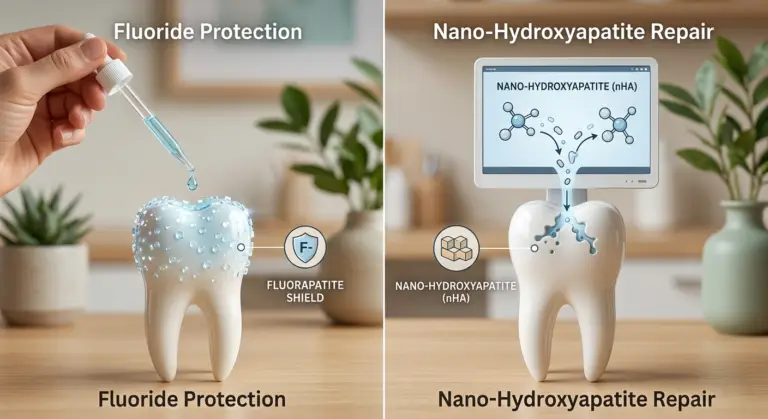
Some people also ask about nano-hydroxyapatite toothpaste. It is an ingredient used in some oral-care products, but product formulas and the quality of available evidence vary. For a balanced comparison, read our guide Fluoride vs. Nano-Hydroxyapatite: The Latest Research.
When Should You See a Dentist?
Make an appointment if you notice:
- A new white, brown, or dark spot on a tooth.
- Ongoing sensitivity to cold, hot, sweet foods, or air.
- Pain when biting or chewing.
- A visible chip, crack, hole, or rough edge.
- Increasing tooth transparency or a change in tooth shape.
- Frequent cavities or repeated fillings.
- Persistent dry mouth.
- Signs of reflux, vomiting, or other health issues that may expose teeth to acid.
Seek urgent dental or medical help for facial swelling, fever, severe pain, pus, difficulty swallowing, or trouble breathing.
Related Guides
For a detailed comparison of two commonly discussed toothpaste ingredients, see Fluoride vs. Nano-Hydroxyapatite: The Latest Research.
You can also explore more patient-friendly oral-health articles in The Calm Dentist Guides and Blogs.
Frequently Asked Questions
Can teeth really remineralize?
Yes, early mineral loss can be strengthened through the natural action of saliva and fluoride. This can help protect enamel and may help stop the earliest stage of tooth decay from progressing. It does not replace enamel that has already been physically lost.
Does remineralization replace missing enamel?
No. Remineralization may strengthen early mineral loss while the enamel surface remains intact, but it cannot replace enamel lost through a cavity, chip, wear, or advanced erosion. For the full distinction, read Can Enamel Grow Back?
How long does early remineralization take?
There is no reliable timetable that applies to everyone. It depends on the cause of mineral loss, saliva flow, diet, oral-care habits, fluoride exposure, and whether active decay or erosion is present. Do not judge progress only by appearance; a dental examination is the best way to assess a concerning area.
Are white spots on teeth always cavities?
No. White spots can have several causes, including early decay, fluorosis, post-braces changes, enamel-development differences, or whitening-related contrast. A dentist can determine the likely cause and whether treatment is needed.
When should I see a dentist about enamel loss or sensitivity?
See a dentist if sensitivity persists, a tooth looks increasingly transparent or worn, you notice a white, brown, or dark area, or you suspect a crack or cavity. Early assessment can help clarify whether the problem is mineral loss, erosion, decay, or something else.
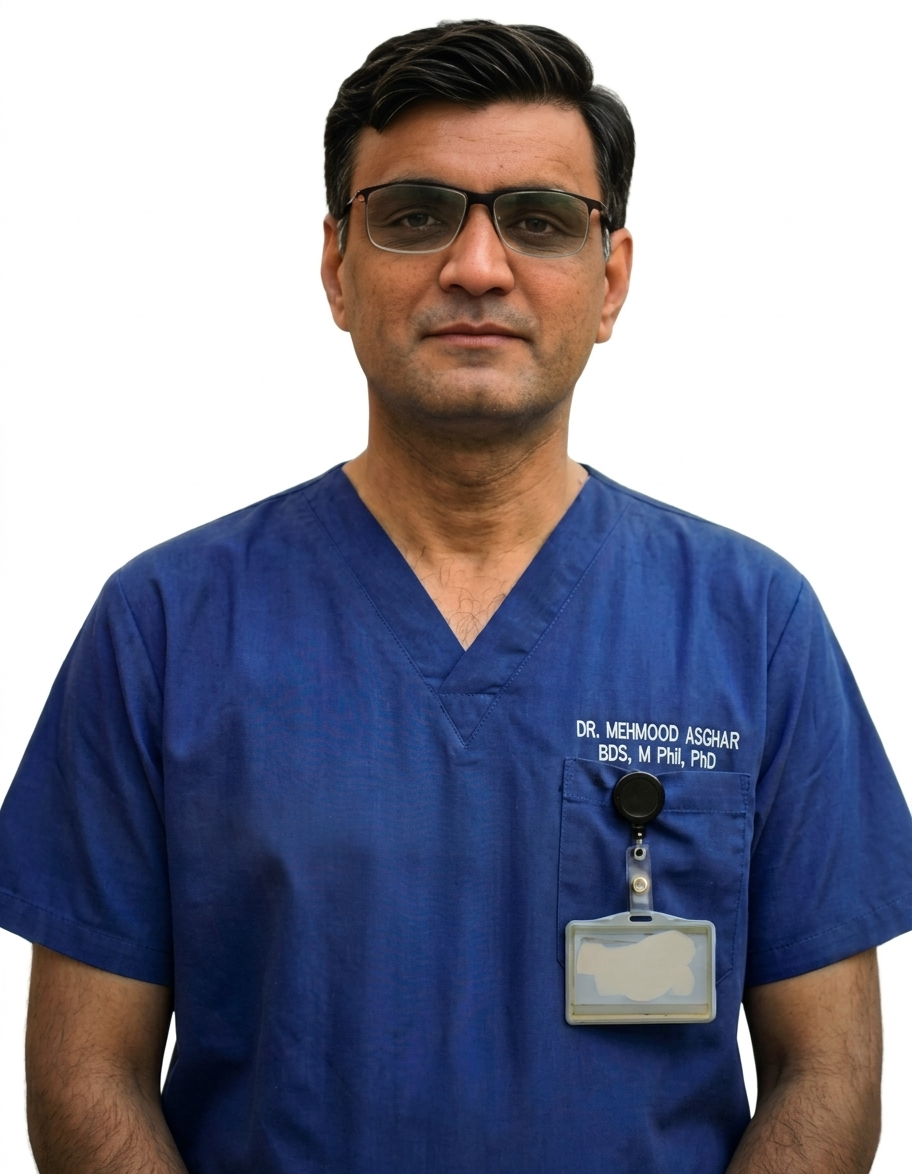
Dr. Mehmood Asghar is a Dentist and an Assistant Professor of Dental Materials, with nearly a decade of clinical experience. He holds a Ph.D. in Dental Biomaterials from Universiti Malaya and a Bachelor of Dental Surgery (BDS) from NUST. As a dedicated researcher with over 25 peer-reviewed publications and more than 310 citations in international journals, Dr. Asghar bridges the gap between clinical dentistry and advanced biomaterials research to provide patients with evidence-based, practical dental advice.
Discover more from The Calm Dentist Blog
Subscribe to get the latest posts sent to your email.